
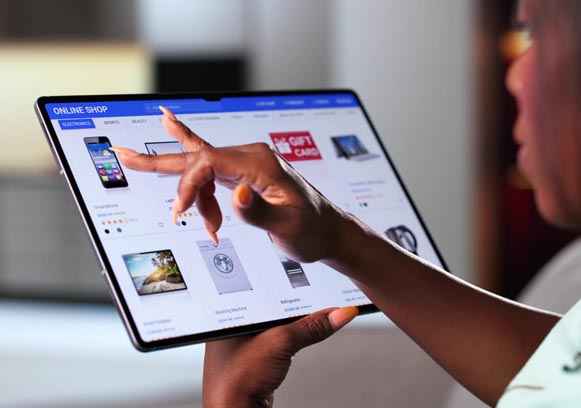
Introduction to Omnichannel Strategy
The digital marketplace is more competitive than ever, and customers now expect seamless shopping experiences across multiple channels. An omnichannel strategy provides consistency by integrating all touchpoints-online, mobile, social, and in-store-into one unified customer journey.
This approach not only improves user experience but also strengthens brand presence and loyalty. As e-commerce continues to evolve, businesses that adopt omnichannel strategies are best positioned to capture a larger share of the market.
Customer Expectations in a Digital Age
Omnichannel strategies help bridge gaps between digital and physical experiences. For example, allowing online orders with in-store pickup gives consumers flexibility and encourages foot traffic to retail locations.
Key Benefits of an Omnichannel Approach
Increased Sales Opportunities: Customers can purchase products from multiple channels with ease.Improved Customer Retention: Personalized and consistent experiences lead to higher loyalty.Enhanced Data Collection: Unified platforms gather customer behavior across all touchpoints.Better Inventory Management: Centralized systems improve forecasting and reduce overstock.Brand Consistency: Messaging and tone are aligned across every customer interaction.
Integrating Technology for Seamless Experiences
Integration tools help ensure that every platform-whether it's a website, mobile app, or POS system-is communicating effectively. Real-time synchronization enables smoother transitions for the customer between channels.
Mobile Commerce as a Pillar of Omnichannel
With mobile devices being the primary gateway to online shopping, mobile commerce must be central to any omnichannel approach. Responsive design, mobile payment options, and app-based loyalty programs enhance convenience and engagement.
Businesses should ensure that mobile experiences are fast, intuitive, and fully integrated with other channels. Features like mobile-first checkout and push notifications help drive conversions and repeat visits.
Social Media and Shoppable Content
Instagram and Facebook Shops: Allow direct purchases from within social platforms.Pinterest Buyable Pins: Inspire discovery and immediate buying action.Influencer Integration: Promotes products authentically through trusted voices.Live Shopping Events: Interactive sales through real-time broadcasts.Customer Service via Messaging: Quick support through Messenger, WhatsApp, and DMs.
Personalization and Customer Insights
Insights derived from browsing behavior, purchase history, and interaction patterns allow brands to predict needs and respond accordingly. This data-driven strategy increases relevance and customer satisfaction.
Synchronizing Marketing and Sales Channels
Omnichannel strategies demand close coordination between marketing and sales teams. Campaigns should be designed with cross-platform visibility, ensuring that promotions reach audiences on their preferred channels.
By aligning marketing efforts with sales data, businesses can evaluate campaign effectiveness, reallocate budgets, and refine messages to boost ROI. This synergy improves both lead generation and conversion rates.
Overcoming Implementation Challenges
Transitioning to an omnichannel model is not without hurdles. Legacy systems, siloed data, and lack of digital expertise can slow progress. Businesses must invest in training and infrastructure upgrades to support this shift.
Case Studies of Successful Omnichannel Brands
Target: Seamless integration of online orders and in-store pickup with a robust app experience.Sephora: Unified loyalty program across web, mobile, and physical stores with personalized marketing.Starbucks: Mobile ordering, rewards integration, and real-time inventory visibility drive engagement.Apple: Syncs devices, services, and retail interactions for a cohesive customer journey.Walmart: Click-and-collect, mobile payment, and digital shelves power its omnichannel dominance.
Analytics and Continuous Improvement
Data analytics play a pivotal role in fine-tuning omnichannel strategies. Metrics such as conversion rate, customer acquisition cost, and average order value help evaluate performance and identify opportunities.
Omnichannel and Customer Loyalty
Loyalty programs that span all channels can significantly enhance customer retention. When customers receive rewards regardless of where they shop, they are more likely to remain engaged.
Beyond points and discounts, loyalty can be deepened through exclusive access, personalized experiences, and consistent communication. A unified approach to loyalty builds emotional connection and brand advocacy.
The Role of AI and Automation
Artificial intelligence enables real-time personalization, predictive analytics, and automated customer service-all essential components of an omnichannel strategy. AI enhances decision-making and streamlines operations.
From chatbots to dynamic pricing algorithms, automation reduces friction in the customer journey. Businesses benefit from increased efficiency while customers enjoy faster, more relevant service.
Future Outlook of Omnichannel E-Commerce
Emerging technologies like AR, VR, and voice commerce will further blur the lines between physical and digital retail. Brands that innovate within the omnichannel framework will lead the next generation of commerce.
Conclusion
An omnichannel strategy is not just a marketing trend-it's a foundational approach to sustainable e-commerce growth. It puts the customer at the center and ensures their needs are met regardless of the platform or touchpoint.
Brands that embrace omnichannel thinking today will be better equipped to meet tomorrow's challenges and opportunities. Investing in integration, personalization, and consistency is the key to long-term success in the digital marketplace.














