
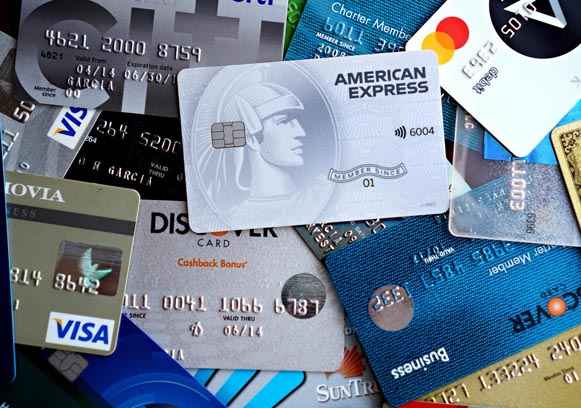
Expanding Customer Access through Seamless Transactions
One of the most significant benefits of digital payment solutions is their ability to provide seamless, frictionless transaction experiences for customers across different markets. Traditional payment methods often pose challenges such as currency restrictions, limited payment options, and lengthy processing times. Digital payment platforms remove these obstacles by supporting multiple currencies, localized payment methods, and instant settlement.
Moreover, seamless checkout processes reduce friction in the buying journey, leading to higher customer satisfaction and repeat purchases. Features such as one-click payments, saved card information, and transparent pricing contribute to smoother user experiences, making it easier for customers to complete transactions without hesitation.
Key Factors Making Digital Payments Accessible to New Customers
Multi-currency support for global transactions without barriers.Localized payment options like mobile wallets and bank transfers.Fast and secure transaction processing reduces wait times.Mobile-friendly payment interfaces cater to growing smartphone usage.Integration with popular digital wallets such as PayPal, Apple Pay, and Google Pay.
Enhancing Business Efficiency and Expanding Market Reach
Cloud-based payment gateways enable businesses of all sizes to quickly implement secure payment processing without costly infrastructure investments. This flexibility is crucial when entering new markets, as it reduces time to market and provides scalability to handle fluctuating demand.
In addition, access to detailed payment analytics allows businesses to understand customer purchasing behavior across regions. Insights gleaned from transaction data inform targeted marketing campaigns, product localization, and pricing strategies tailored to local preferences, all of which are vital for successful market penetration.
The ability to integrate payment solutions with other e-commerce tools such as inventory management, customer relationship management (CRM), and shipping logistics further enhances operational coherence. This interconnected ecosystem simplifies managing complex international sales cycles.
Operational Advantages of Digital Payment Systems
Automated payment processing and reconciliation increase accuracy.Scalable infrastructure adapts to market expansion needs.Real-time transaction monitoring enables prompt issue resolution.Data-driven insights inform localized marketing and sales.Seamless integration with CRM, inventory, and logistics systems.
Building Trust and Security to Attract New Market Segments
Consumers are more likely to engage with businesses that demonstrate robust security practices. Offering trusted payment options recognized globally or locally reassures customers and reduces apprehension associated with online purchases, especially in regions with higher concerns about fraud.
Furthermore, compliance with international payment standards and regulations, such as PCI DSS (Payment Card Industry Data Security Standard) and GDPR (General Data Protection Regulation), signals a commitment to protecting customer rights and data privacy. This compliance is often a prerequisite for entering certain markets, ensuring that businesses operate within legal frameworks and avoid costly penalties.
Digital payment providers also offer dispute resolution and chargeback mechanisms that protect both buyers and sellers. These features help maintain positive relationships with new customers and contribute to building brand loyalty.
Security and Trust Factors Supporting Market Growth
Advanced encryption and tokenization safeguard transaction data.Fraud prevention tools reduce financial losses.Compliance with global standards enhances credibility.Transparent dispute and chargeback processes protect consumers.Use of well-known payment platforms increases customer confidence.
Driving Financial Inclusion and Empowering New Consumers
By enabling payments through mobile phones or alternative digital methods, businesses can tap into markets previously inaccessible through cash or card-based systems. This empowerment fosters economic participation, increases purchasing power, and encourages the growth of digital economies.
Moreover, digital payment platforms often provide users with access to microcredit, savings, and insurance products, further strengthening financial resilience. As these consumers gain financial stability, their engagement with e-commerce platforms deepens, generating sustained demand.
Businesses that prioritize inclusive payment options demonstrate social responsibility while benefiting from expanded market reach. Supporting diverse payment ecosystems also positions companies as innovators and leaders in global commerce.
How Digital Payments Promote Financial Inclusion
Mobile money solutions serve unbanked populations.Flexible payment options reduce reliance on cash.Access to microfinance encourages consumer spending.Lower transaction costs increase affordability.Improved credit access supports entrepreneurship.
Future Trends Shaping Digital Payment Expansion
Biometric payments using fingerprint or facial recognition improve security and convenience, particularly for mobile commerce. These advancements reduce reliance on passwords and PINs, streamlining user experiences and minimizing fraud risks.
Artificial intelligence enables real-time fraud detection and personalized payment experiences by analyzing transaction patterns. AI also facilitates dynamic risk management, adjusting security protocols based on customer behavior and location.
The integration of digital payment solutions with emerging technologies such as the Internet of Things (IoT) and voice commerce will open new avenues for seamless, everyday transactions, unlocking additional markets and business models.
Adapting to these trends will be essential for businesses aiming to sustain competitive advantages and fully capitalize on the potential of digital payment systems to unlock new markets.
Emerging Innovations in Digital Payments
Blockchain for transparent and cost-effective transactions. Biometric authentication for secure user verification.AI-driven fraud detection and personalized services. IoT-enabled payments for connected devices.Voice commerce integration for hands-free transactions.














