
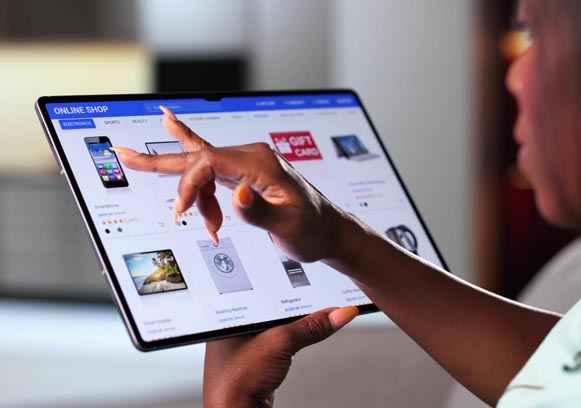
The New Retail Reality: E-Commerce as a Launchpad
In recent years, many brands have launched exclusively online, building their reputations and customer bases through e-commerce platforms. The ability to reach global audiences without the overhead of physical stores allowed these brands to scale quickly and test market viability with relatively low risk.
However, after achieving e-commerce success, an increasing number of these brands are now expanding into brick-and-mortar retail. This trend highlights the evolving retail landscape, where physical presence complements digital strength rather than competes with it.
How E-Commerce Success Fuels Physical Expansion
Established customer base: Online sales provide data-driven insights into demand and preferences.Financial resources: Profitability from e-commerce funds physical store investments.Brand recognition: Digital visibility creates anticipation for physical experiences.Agility and testing: E-commerce allows rapid iteration before physical launch.Supply chain maturity: Optimized logistics support multi-channel fulfillment.
The Tangible Benefits of Physical Stores
Despite the growing dominance of online shopping, physical stores offer unique benefits that digital channels cannot fully replicate. Tangibility, immediate product access, and sensory experiences are powerful drivers of consumer satisfaction and trust.
Physical stores allow customers to see, touch, try, and experience products in real time, reducing uncertainty and return rates. They also enable face-to-face interactions with knowledgeable staff, providing personalized service that enhances the overall brand experience.
Advantages of a Physical Storefront
Hands-on product experience: Consumers can evaluate quality and fit immediately.Instant gratification: Immediate purchase and take-home availability.Brand storytelling: Curated environments build emotional resonance.Customer service: Personalized assistance and expert guidance.Community building: Hosting events and creating social hubs.
Building Omnichannel Synergy
Opening physical stores after e-commerce success allows brands to create true omnichannel retail ecosystems. By integrating online and offline channels seamlessly, companies offer customers flexibility and convenience tailored to their preferences.
Omnichannel strategies enable services such as “buy online, pick up in store” (BOPIS), easy returns and exchanges across channels, and real-time inventory visibility. This integration not only enhances customer satisfaction but also improves operational efficiency.
Key Elements of Omnichannel Success
Unified inventory management: Synchronizing stock across online and offline.Flexible fulfillment options: Curbside pickup, same-day delivery, and more.Consistent branding: Seamless messaging and visuals across channels.Cross-channel loyalty programs: Rewarding customers irrespective of shopping mode.Integrated customer support: Centralized help desks for all touchpoints.
Enhancing Customer Engagement Through Physical Presence
Physical stores create unique opportunities to deepen customer engagement beyond transactions. They act as immersive spaces where brands can express their values, showcase innovation, and cultivate community.
Interactive product displays, customization stations, and experiential events turn stores into destinations rather than mere points of sale. These engagements foster emotional bonds, increasing customer retention and advocacy.
Ways Physical Stores Boost Engagement
Experiential retail: Workshops, demos, and interactive zones.Personalization: Customizable products and tailored consultations.Social connection: Events that build brand communities.Feedback channels: In-person surveys and conversations.Brand ambassadors: Staff as knowledgeable representatives.
Addressing Challenges in Physical Expansion
Despite its benefits, physical expansion after e-commerce success comes with challenges. Retailers face significant upfront costs such as rent, staffing, and store build-outs, which require careful financial planning.
Moreover, managing inventory across multiple channels adds complexity and demands robust technology solutions. Ensuring consistent customer experiences in physical and digital realms requires ongoing training and quality control.
Common Obstacles to Consider
High operational costs: Rent, utilities, payroll, and maintenance.Inventory complexity: Balancing stock between online and stores.Staff training: Ensuring knowledgeable, customer-focused employees.Market variability: Tailoring offerings to local tastes and trends.Maintaining brand consistency: Across diverse channels and locations.
Success Stories: Brands That Thrived By Going Physical
Several notable brands have successfully transitioned from e-commerce to physical retail, illustrating the power of this strategy. Companies like Warby Parker, Casper, and Glossier leveraged their online customer bases to open stores that enhanced their brand narratives and deepened consumer trust.
These brands carefully designed their stores as extensions of their digital identities, incorporating technology, experiential elements, and social engagement to create compelling environments. The physical presence reinforced their market position and generated new revenue streams.
Lessons from Leading Brands
Align store design with brand ethos: Consistent look, feel, and messaging.Integrate technology: Use apps, AR, and mobile POS for seamless experiences.Prioritize customer service: Well-trained staff enhance brand loyalty.Use data insights: Inform product mix and marketing strategies.Maintain flexibility: Test new formats like pop-ups and concept stores.
The Future Outlook for Hybrid Retail Models
Looking ahead, the integration of e-commerce success with physical retail presence is expected to deepen. Advances in technology, shifting consumer expectations, and competitive pressures will push brands toward more innovative and flexible store formats.
We can anticipate increased use of experiential retail, AI-driven personalization, and more sophisticated omnichannel capabilities. Brands will continue to experiment with store layouts, hybrid pop-ups, and showrooming to optimize customer engagement.
Conclusion
The trend of brands opening physical stores after e-commerce success reflects a new retail paradigm where digital and physical coexist harmoniously. Physical stores add depth and tangibility to brand experiences that online shopping alone cannot provide.
By combining the reach and efficiency of e-commerce with the emotional connection and immediacy of physical retail, brands create powerful, integrated customer journeys. Despite challenges, this strategy offers immense opportunities for growth, loyalty, and differentiation in a crowded marketplace.
As retail continues to evolve, the most successful brands will be those that master the art of blending online success with meaningful offline presence, delivering seamless, engaging, and authentic experiences wherever their customers choose to shop.














