
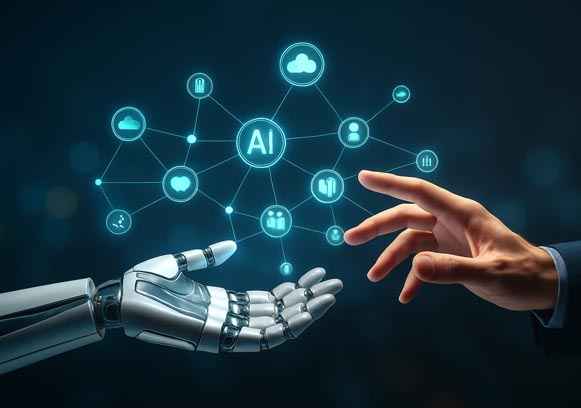
Defining Hyper-Personalization
Hyper-personalization is an advanced marketing strategy that leverages real-time data, artificial intelligence (AI), and machine learning to create highly customized customer experiences. Unlike traditional personalization, which might focus on basic segmentation such as age or gender, hyper-personalization digs deeper into individual preferences, behaviors, and context.
Hyper-personalization is becoming increasingly important as consumers expect brands to understand and anticipate their needs rather than provide generic content. This strategy helps businesses build stronger relationships, increase loyalty, and boost conversion rates through relevance and timeliness.
Key Characteristics of Hyper-Personalization
Real-time data processing: Immediate use of customer interactions for customization.Multi-channel integration: Seamless personalization across online and offline platforms.Behavioral insights: Use of advanced analytics to understand individual preferences.AI and machine learning: Automation of personalized content and recommendations.Contextual awareness: Tailoring based on location, time, device, and mood.
How Hyper-Personalization Works
Advanced AI algorithms then analyze this data to identify patterns and predict customer needs. Machine learning models continuously improve these predictions by learning from new data and customer responses. This enables brands to deliver real-time personalized messages and offers that are highly relevant to the customer's current situation.
Importantly, hyper-personalization operates across multiple channels, ensuring a consistent and cohesive experience whether the customer interacts via email, social media, websites, mobile apps, or physical stores. This omnichannel approach strengthens engagement and encourages conversions.
Technologies Behind Hyper-Personalization
Artificial Intelligence (AI): Powers data analysis and content customization.Machine Learning: Continuously refines customer insights and predictions.Big Data Analytics: Processes large and complex data sets from multiple sources.Customer Data Platforms (CDPs): Centralizes customer information for easy access.Marketing Automation Tools: Executes personalized campaigns at scale.
Why Hyper-Personalization Matters to Businesses
Research shows that consumers are more likely to engage with and buy from brands that provide personalized experiences. By leveraging hyper-personalization, businesses can improve customer satisfaction and loyalty, which translates into higher lifetime value and repeat business.
Moreover, hyper-personalization allows companies to optimize marketing spend by targeting the right customers with the right message at the right time, improving return on investment (ROI). It also enables agile marketing strategies that adapt quickly to shifting customer preferences and market trends.
Benefits of Hyper-Personalization
Increased engagement: Customers respond better to relevant content.Higher conversion rates: Tailored offers drive purchases.Improved customer loyalty: Personalized experiences build trust and retention.Optimized marketing budgets: Reduces waste by focusing on most receptive audiences.Better customer insights: Continuous data collection enhances understanding.
Challenges in Implementing Hyper-Personalization
Privacy concerns also present a major hurdle. Consumers are increasingly wary of how their personal data is collected and used. Brands must navigate complex regulations such as GDPR and CCPA to remain compliant and maintain customer trust. Transparent data practices and giving customers control over their information are essential.
Furthermore, creating a seamless hyper-personalized experience across multiple channels is technically complex. Systems must be integrated to share data and coordinate messaging in real-time, requiring significant investment and ongoing maintenance.
Common Implementation Obstacles
Data silos: Disconnected systems prevent unified customer views.Privacy regulations: Compliance with laws limits data usage.Technology complexity: Integrating AI and automation tools can be challenging.Resource requirements: Skilled personnel and budget needed.Maintaining relevance: Personalization must evolve with customer preferences.
Best Practices for Successful Hyper-Personalization
Prioritize transparency and privacy by communicating data practices openly and offering easy opt-in and opt-out options. This builds trust and encourages customers to share valuable data willingly. Additionally, continuously test and optimize personalization strategies by monitoring performance metrics and customer feedback.
Collaboration between marketing, IT, and data teams is vital to ensure the technology infrastructure supports the desired level of personalization without compromising user experience or security. Lastly, balance automation with human creativity to keep marketing messages authentic and engaging.
Effective Strategies
Unify data sources: Create a single customer view.Ensure data privacy: Comply with regulations and be transparent.Leverage AI and automation: Scale personalized interactions efficiently.Test and iterate: Use data to refine campaigns continually.Maintain authentic voice: Combine automation with human touch.
The Future of Hyper-Personalization
Integration with Internet of Things (IoT) devices and wearables will provide deeper insights into customer context and preferences, allowing hyper-personalization to extend beyond digital channels into physical experiences. This will create new opportunities for brands to engage consumers in seamless, immersive ways.
However, the success of future hyper-personalization efforts will hinge on maintaining ethical standards and respecting user privacy. Brands that balance innovation with responsibility will gain a competitive edge and foster lasting customer relationships.
Looking Ahead
More predictive capabilities: Anticipate needs before customers express them.Emotionally intelligent marketing: Adapt messages to mood and sentiment.Seamless IoT integration: Extend personalization into everyday devices.Stronger privacy protections: Build trust with ethical data use.Increased automation: Deliver personalized experiences at massive scale.
Conclusion
While challenges related to data management, privacy, and technology integration remain, following best practices and prioritizing transparency can help businesses navigate these hurdles successfully. As hyper-personalization continues to evolve, it will become a vital strategy for marketers aiming to stay relevant in an increasingly competitive landscape.
Investing in hyper-personalization today prepares brands to meet the future demands of customers who expect nothing less than personalized, meaningful interactions.














