
Table of Contents
- 1. What Is a SWOT Analysis?
- 2. The Four Components of SWOT Explained
- 3. Benefits of Using SWOT for Beginners
- 4. How to Conduct a SWOT Analysis Step-by-Step
- 5. Common Mistakes to Avoid When Using SWOT
1. What Is a SWOT Analysis?
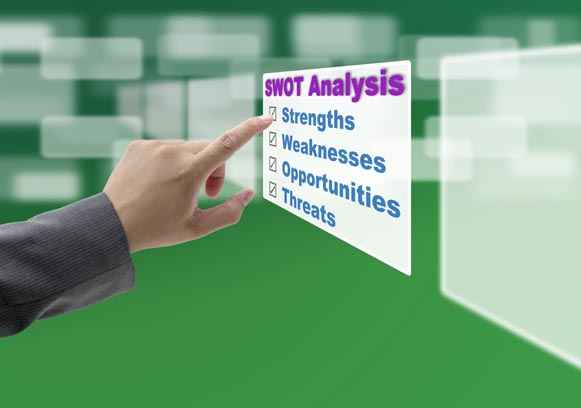
Strengths and weaknesses are internal factors, which means they originate from within your business. These might include resources, skills, or processes you control. Opportunities and threats, on the other hand, are external and relate to the broader market, industry trends, or competitor activities.
By laying out these four categories, entrepreneurs can better understand where they stand, what they can leverage, what they need to improve, and what external risks or chances they should be aware of. This clarity helps in crafting realistic, informed strategies and avoiding surprises that could derail the business.
2. The Four Components of SWOT Explained
3. Benefits of Using SWOT for Beginners
Beginners often feel overwhelmed with so many variables to consider when starting a business. A SWOT analysis breaks down complexity into manageable categories, making it easier to think strategically.
Recognizing weaknesses early helps avoid costly mistakes. New entrepreneurs often underestimate challenges; seeing these clearly allows them to plan for improvement, find partners, or seek advice where needed.
Spotting opportunities encourages proactive thinking. Instead of waiting for things to happen, beginners learn to look for ways to innovate, enter new markets, or improve their offerings, which is key for growth.
Finally, understanding threats prepares entrepreneurs for obstacles. Rather than being blindsided by competition or market changes, they can develop strategies to protect their business and remain resilient.
4. How to Conduct a SWOT Analysis Step-by-Step
Conducting a SWOT analysis may seem straightforward, but doing it well requires thought and honesty. Here's a step-by-step guide for beginners:
Next, start with your strengths. List everything your business does well, unique resources, skills, or advantages. Be specific and focus on internal factors you can control.
Then move on to weaknesses. Identify internal challenges or areas needing improvement. Encourage openness and honesty, as this is key for growth.
After that, analyze external opportunities. Look at market trends, technological advancements, or customer demands that your business could exploit. Research your industry and competitors to inform this section.
Finally, identify threats. Consider economic factors, regulatory changes, emerging competitors, or shifts in customer preferences that could harm your business.
Once you've filled each quadrant, review the entire analysis. Look for connections such as how your strengths can be used to seize opportunities or counter threats. Also, consider how weaknesses might expose you to certain risks.
5. Common Mistakes to Avoid When Using SWOT
Being Too Vague: Avoid generic statements like “good product” or “strong team.” Be specific to gain real insight.Ignoring External Factors: Don't focus only on internal issues; understanding the market environment is critical.Overemphasizing Strengths: Confidence is good, but overestimating strengths can blind you to challenges.Neglecting Weaknesses: Don't avoid tough truths. Ignoring weaknesses leaves risks unaddressed.Failing to Act: SWOT is only useful if followed by clear strategies and actions. Don't let it become just a theoretical exercise.
Conclusion
A SWOT analysis is a simple yet powerful tool that beginners can use to gain clarity, focus, and strategic direction. By understanding your strengths, weaknesses, opportunities, and threats, you can make informed decisions, avoid pitfalls, and seize growth chances.
Remember to approach your SWOT analysis with honesty, involve diverse perspectives, and use the results to drive action. This practical framework can transform uncertainty into opportunity and help new entrepreneurs build resilient, thriving businesses.
Incorporating SWOT into your regular planning processes ensures that your business stays aware, adaptive, and ready to navigate an ever-changing market landscape. Start using SWOT today, and give your entrepreneurial journey a clear and confident direction.














