
The Growing Importance of Budget Management in the New Normal
In recent years, the world has experienced significant shifts caused by global events such as the COVID-19 pandemic, economic downturns, and changing work environments. These factors have created uncertainty around job security, income consistency, and daily expenses. Consequently, managing a budget has become more crucial than ever.
Furthermore, technology allows for deeper insights into spending habits, enabling users to make data-driven decisions. This capacity to analyze patterns and predict future financial needs fosters proactive management rather than reactive adjustments, which is essential in an unpredictable economy.
Key Reasons Budgeting is More Critical Today:
Irregular income streams: Freelance, gig economy, and variable salary earners need adaptive budgeting.Increased financial complexity: New expenses and investments require better tracking.Need for real-time updates: Immediate visibility helps avoid overspending.Greater financial literacy demand: Technology aids education and understanding.
Popular Technology Tools for Budget Management
Besides apps, online platforms and desktop software also provide powerful budgeting tools. Many banks and financial institutions now offer built-in budgeting functions within their online services. Additionally, some platforms incorporate machine learning and AI to offer personalized financial advice based on your spending and saving behaviors.
Choosing the right technology depends on your personal preferences, financial complexity, and goals. Many free and subscription-based options cater to a range of needs, from simple tracking to comprehensive financial planning.
Examples of Budgeting Technologies:
Mobile apps: Mint, YNAB (You Need A Budget), PocketGuard.Online platforms: Personal Capital, EveryDollar.Banking tools: Integrated budgeting features in Chase, Capital One, or Wells Fargo apps.AI-driven advisors: Cleo, Emma, and other apps that analyze spending and offer tips.
How Technology Improves Budget Accuracy and Awareness
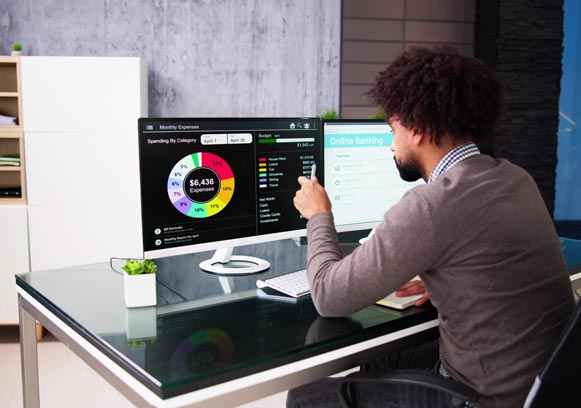
Moreover, technology helps increase financial awareness by categorizing expenses and visualizing spending patterns through graphs and reports. These visual tools make it easier to identify problem areas such as overspending on dining out or subscriptions that go unused. With this knowledge, users can make targeted adjustments to improve their financial health.
Apps also provide alerts and notifications for bill payments, low balances, or unusual spending. These proactive features prevent costly fees and help maintain control over cash flow, especially when life becomes hectic.
Overall, the automation and insights delivered by technology enhance your ability to manage your budget precisely and effectively.
Benefits of Technology-Driven Budget Awareness:
Automatic transaction tracking: Reduces manual errors.Spending categorization: Highlights where money is going.Visual summaries: Charts and graphs for easy understanding.Proactive alerts: Prevent missed payments and overspending.
Customizing Budgeting Solutions to Fit Your Lifestyle
For instance, if you're a freelancer with irregular income, you can use technology to forecast monthly earnings and adjust spending accordingly. Parents might track school fees and child-related expenses separately, while students could focus on managing loans and entertainment costs.
Furthermore, customizable reports let you focus on specific timeframes or categories to get insights most relevant to you. This personal touch fosters greater engagement with your finances and makes budgeting less of a chore and more of a meaningful activity.
Ways to Personalize Your Budget Using Technology:
Create custom categories: Reflect specific spending areas unique to you.Set individual goals: Emergency fund, vacation savings, debt payoff.Adjust budgeting periods: Weekly, monthly, quarterly based on cash flow.Use personalized notifications: Alerts that suit your lifestyle needs.
Leveraging Technology for Goal-Setting and Progress Tracking
These tools often provide visual progress bars and timelines, which motivate continued discipline. Some platforms also offer recommendations on how much to save monthly or suggest adjusting spending habits to meet targets faster. This guidance turns abstract goals into concrete action plans.
Importantly, goal-tracking technology fosters accountability. Seeing your progress regularly can reinforce good habits and highlight the need for adjustments if goals fall behind. The combination of motivation, visualization, and feedback makes financial planning more engaging and successful.
Ultimately, goal-setting through technology helps convert aspirations into achievements by providing structure, clarity, and encouragement.
Features Supporting Goal-Setting and Tracking:
Custom goal creation: Tailor goals to your financial priorities.Visual progress indicators: Charts, bars, and timelines.Automated savings recommendations: Suggestions based on your budget.Feedback and alerts: Keep you on track and motivated.
Integrating Technology with Other Financial Practices
Additionally, pairing technology with financial education-through books, online courses, or workshops-builds a strong foundation for making wise money decisions. Technology can provide data, but knowledge empowers you to interpret and act on that data effectively.
Working with financial advisors or joining support groups can complement technology by offering personalized advice and community motivation. Together, these practices create a comprehensive approach to money management that balances automation with thoughtful planning.
Ways to Combine Technology and Traditional Financial Management:
Conduct regular manual account reviews: Verify automated data accuracy.Educate yourself financially: Understand budgeting concepts and tools.Consult with advisors: Get tailored guidance when needed.Join budgeting communities: Share experiences and tips.
Conclusion: Embracing Technology for Smarter Budgeting in the New Normal
Embracing technology allows you to respond swiftly to changes in income and expenses, reduce errors, and cultivate healthier spending habits. However, it is important to integrate these digital tools with financial education and mindful practices to maximize benefits.
Ultimately, technology is an ally that helps you navigate the complexities of the new economy with confidence and clarity. By adopting these tools thoughtfully, you place yourself in control of your financial destiny, equipped to thrive in uncertain times and beyond.
Your journey to smarter budgeting starts with a single step-and technology makes that step easier, smarter, and more effective.














