
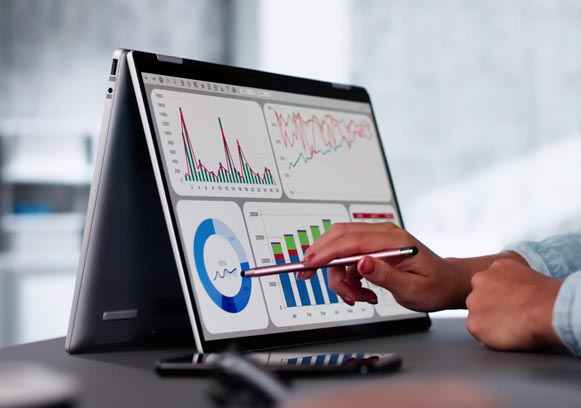
The Growing Importance of Data in Business Strategy
In today's digital-first marketplace, data is the fuel that drives intelligent decision-making. Businesses that leverage data effectively are more likely to identify trends, understand customer behaviors, and execute targeted strategies that produce results.
Collecting the Right Types of Data
Before optimization can begin, businesses must ensure they're collecting the right types of data. This includes both quantitative and qualitative inputs across the customer journey-from first click to post-sale follow-up.
To achieve full-funnel optimization, data should be collected at multiple touchpoints: website forms, email campaigns, sales interactions, social engagements, and customer service feedback. Each source offers a unique lens through which customer preferences and pain points can be understood and addressed more effectively.
CRM and Marketing Automation Tools
Segmenting Your Audience for Precision Targeting
Once the data is in place, segmentation is a critical step. Dividing your audience based on criteria such as demographics, behavior, location, or engagement level allows for tailored messaging. This ensures your marketing campaigns speak directly to the needs of each group, increasing relevance and conversion.
Segmentation can also improve sales efficiency by helping sales reps prioritize leads based on value or readiness. For example, high-value leads who have downloaded a whitepaper and visited your pricing page may warrant immediate outreach.
Key Areas Where Data Enhances Marketing and Sales
Personalization: Craft emails, ads, and offers based on user interests and behaviors.Lead Scoring: Rank leads based on how likely they are to convert, optimizing sales outreach.A/B Testing: Use performance data to refine messaging, layout, and calls-to-action.Campaign Timing: Schedule promotions and follow-ups based on user engagement patterns.Budget Allocation: Shift spending to channels or audiences with the highest ROI.
Using Data to Improve Conversion Rates
Sales Forecasting Through Predictive Analytics
Predictive analytics uses historical data and machine learning models to forecast future outcomes. Sales teams can use predictive tools to estimate revenue, determine which leads are most likely to close, and plan resource allocation accordingly. This reduces uncertainty and allows for proactive decision-making.
Improving Customer Retention Using Data
Loyalty programs, targeted email sequences, and personalized product recommendations are all enhanced by customer data. When customers feel understood and valued, they're more likely to return. Retention campaigns that are grounded in customer data outperform generic blasts every time.
Challenges in Data-Driven Optimization
Data Silos: Disconnected systems lead to inconsistent or incomplete data across departments.Privacy Regulations: GDPR and other data laws require compliance and transparency in data usage.Low Data Quality: Inaccurate or outdated data can misguide strategies and reduce ROI.Tool Overload: Too many platforms can cause confusion without integration and proper training.Analysis Paralysis: Overanalyzing without action leads to missed opportunities and slow progress.
Creating a Culture of Data-Driven Decision Making
Regularly sharing reports, celebrating data-backed wins, and incorporating analytics into daily discussions help embed this culture. When everyone from marketing to customer service understands the value of data, the organization becomes more agile, strategic, and aligned toward common goals.
Best Practices for Implementing Data Optimization
Set Clear KPIs: Define what success looks like before launching a campaign or strategy.Ensure Data Hygiene: Regularly clean and update databases to maintain accuracy.Centralize Data: Use unified platforms or dashboards to eliminate silos and improve collaboration.Test and Iterate: Use A/B testing and performance analysis to continuously refine strategies.Act on Insights: Don't just collect data-use it to inform actions, decisions, and improvements.
Conclusion: Turn Data Into Revenue














