
Why Tracking Marketing Performance is Crucial
Tracking marketing performance is essential for understanding how well your campaigns are achieving their goals. Without proper measurement, it's impossible to know which strategies are working and which are wasting resources. Performance tracking provides clarity and insight into customer behavior, campaign effectiveness, and return on investment (ROI).
Additionally, tracking marketing performance enables teams to identify emerging trends, market shifts, and customer preferences. By adapting strategies accordingly, businesses remain competitive and relevant. In today's fast-paced digital environment, agility supported by data is a key to sustained success.
Key Metrics to Monitor for Effective Tracking
The foundation of tracking marketing performance lies in selecting the right metrics that align with your business goals. Common key performance indicators (KPIs) include conversion rates, website traffic, customer acquisition cost (CAC), and lifetime value (LTV). These metrics offer a clear picture of campaign efficiency and profitability.
Engagement metrics such as click-through rates (CTR), bounce rates, and social media interactions provide insight into how your audience responds to your messaging. Monitoring these indicators helps refine content and targeting for improved engagement. Without tracking engagement, marketing efforts may miss the mark.
Important marketing metrics include:
Conversion Rate: Percentage of visitors completing desired actions.Customer Acquisition Cost (CAC): Expense to acquire each customer.Lifetime Value (LTV): Revenue generated from a customer over time.Click-Through Rate (CTR): Ratio of clicks to impressions.Bounce Rate: Percentage of visitors leaving without interaction.Return on Investment (ROI): Profitability of marketing campaigns.
Tools and Technologies for Tracking Marketing Performance
Utilizing the right tools and technologies is critical for efficient and accurate tracking of marketing activities. Platforms like Google Analytics offer detailed insights into website traffic, user behavior, and conversion paths. This data is essential for understanding the customer journey.
Marketing automation platforms enable tracking across multiple channels including email, social media, and paid advertising. They provide real-time dashboards and customizable reports to help teams monitor KPIs continuously. Choosing tools that integrate smoothly with your existing systems maximizes efficiency and data accuracy.
Popular marketing tracking tools:
Google Analytics: Website and user behavior analytics.HubSpot CRM: Comprehensive customer and marketing data management.Marketo: Marketing automation and campaign tracking.Facebook Ads Manager: Paid social campaign analytics.SEMrush: SEO and competitive analysis tracking.
Setting Up Effective Tracking Systems
Next, implement tracking codes, tags, and pixels on your digital properties to capture user interactions accurately. Tag management systems like Google Tag Manager simplify this process, allowing marketers to deploy and manage tracking elements without developer assistance. Regular audits ensure tracking remains functional and accurate.
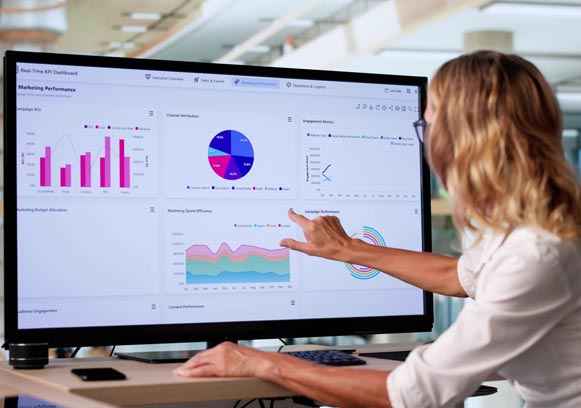
Data should be organized and consolidated into centralized dashboards for easy monitoring. Visualization tools help transform raw data into understandable insights that can be shared across teams. Setting automated reports and alerts keeps stakeholders informed and responsive.
Steps for effective tracking setup:
Define business goals and related KPIs.Install tracking codes correctly on all digital assets.Use tag managers to streamline deployment.Consolidate data in dashboards.Schedule automated reports for ongoing insights.
Analyzing Data to Refine Marketing Strategies
Segmentation and cohort analysis reveal how different audience groups respond to marketing efforts over time. This granular understanding helps tailor messaging and offers for maximum relevance. Identifying drop-off points in the customer journey guides optimization of conversion funnels.
Testing and experimentation, such as A/B testing landing pages or email campaigns, use performance data to compare alternatives and select winners. Continuous iteration based on data-driven insights ensures marketing strategies evolve with changing market conditions and consumer preferences.
Key analysis methods:
Trend analysis: Identifying patterns over time.Segmentation: Breaking data by demographics or behavior.Cohort analysis: Tracking groups by shared characteristics.A/B testing: Comparing variants to optimize performance.Attribution modeling: Understanding channel contribution.
Common Challenges in Tracking Marketing Performance
Tracking accuracy can be compromised by technical issues such as incorrect tag implementation, cookie blocking, or ad blockers. These factors create gaps in data that distort insights. Regular audits and validation are necessary to maintain data integrity.
Interpreting complex data correctly requires skill and experience. Misinterpretation can lead to misguided decisions. Investing in analytics training or hiring specialists helps teams extract maximum value from performance data.
Challenges and solutions:
Data silos: Integrate tools to unify data streams.Technical errors: Conduct routine audits and testing.Data privacy: Comply with regulations like GDPR.Skill gaps: Train teams or hire experts.Overwhelming data: Focus on key metrics aligned to goals.
Using Insights to Drive Continuous Improvement
Set clear benchmarks and goals to evaluate progress and celebrate successes. When campaigns underperform, analyze root causes and adjust tactics accordingly. Sharing insights across teams encourages collaboration and innovation.
Adapting marketing plans based on solid data prevents stagnation and helps respond effectively to competitive pressures and changing consumer behavior. This data-driven mindset is essential for long-term marketing success.
Best practices for continuous refinement:
Establish regular performance reviews .Set and adjust benchmarks based on results.Encourage cross-team collaboration around insights.Test and iterate marketing tactics frequently.Document lessons learned to build institutional knowledge.
Conclusion: Empowering Your Marketing with Data-Driven Decisions
Incorporating robust tools, setting clear KPIs, overcoming common challenges, and fostering a culture of continuous improvement ensure that marketing remains agile and effective. Embrace tracking as a core discipline to refine your strategies and drive sustainable growth in an ever-evolving marketplace.
With data as your guide, your marketing team can confidently navigate complexities, seize opportunities, and achieve lasting success.














