
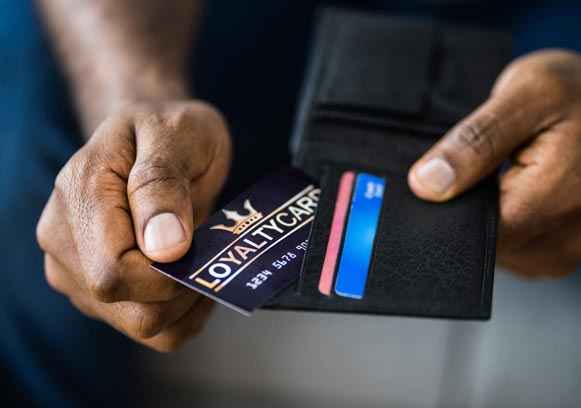
Understanding the Fundamentals of Customer Loyalty Programs
Customer loyalty programs are marketing strategies designed to encourage customers to continue purchasing from a business. They typically reward customers for frequency of purchases, total spend, or engagement with the brand.
At their core, these programs aim to create a positive feedback loop: customers receive rewards for buying, which motivates them to buy more frequently or in larger quantities. In return, businesses benefit from increased sales and customer retention.
Benefits of Loyalty Programs for Small Businesses
Small businesses often face challenges like limited budgets, intense competition, and difficulties in customer retention. Loyalty programs offer solutions to these issues by providing:
Key Elements of an Effective Loyalty Program
Clear rewards structure is essential. Customers should easily understand how to earn and redeem rewards, and these should provide tangible value.
Personalization enhances the effectiveness of loyalty programs. Tailoring offers and communications based on customer behavior and preferences makes the program feel more relevant and engaging.
Multi-channel accessibility ensures customers can participate and track rewards whether shopping in-store, online, or via mobile devices.
Communication is key to maintaining engagement. Regular reminders, updates on rewards status, and exclusive offers help keep customers active in the program.
Point Form Tips to Maximize Loyalty Program Success
- Make enrollment easy and encourage sign-up at every customer touchpoint.
- Offer rewards that appeal to your target audience, such as discounts, free products, or early access.
- Implement tiered rewards to motivate customers to increase their spend or frequency.
- Leverage customer data to send personalized recommendations and offers.
- Integrate your loyalty program with your POS and e-commerce platforms for seamless experiences.
- Encourage social sharing or referrals through your loyalty program to widen your customer base.
- Regularly analyze program data to identify trends and improve offerings.
- Train your team to explain benefits clearly and engage customers with the program.
- Keep the rewards attainable to avoid customer frustration or disengagement.
- Promote your loyalty program consistently through marketing channels and in-store signage.
Common Challenges and How to Overcome Them
Ensuring ease of use and communicating benefits clearly can help overcome this hurdle. Additionally, some programs may become too costly or difficult to manage if not properly structured.
Careful financial planning and program design can mitigate overspending on rewards while still providing meaningful incentives. Another challenge is keeping the program fresh and exciting over time.
Regular updates, seasonal promotions, or new reward tiers can help maintain customer interest and prevent program fatigue.
Technology Solutions to Support Loyalty Programs
Advancements in technology have made loyalty program management more accessible and effective for small businesses. Cloud-based loyalty software and mobile apps enable real-time tracking, personalized communications, and easy reward redemption.
Integration with existing sales systems reduces manual work and ensures data accuracy. Analytics tools help businesses understand customer behavior and optimize program performance.
Building Emotional Connections Through Loyalty
Beyond transactional benefits, loyalty programs are powerful tools for creating emotional connections between customers and brands. When customers feel valued and rewarded, their sense of loyalty deepens.
Personalized rewards, exclusive events, or early access to new products make customers feel part of a special community. Sharing the story behind your brand and aligning rewards with your values can further strengthen bonds.
Emotional loyalty leads to higher retention, more referrals, and positive word-of-mouth that money cannot buy. This deeper relationship is a critical competitive edge for small businesses.
Measuring the Impact of Your Loyalty Program
Tracking the right metrics is vital to evaluate how well your loyalty program drives repeat sales and business growth. Important KPIs include repeat purchase rate, average order value, program enrollment, redemption rates, and customer lifetime value.
Benchmarking against industry standards can help identify areas for improvement or innovation. Ultimately, success comes from aligning loyalty program goals with overall business objectives and customer expectations.
Conclusion: Unlocking Growth with Customer Loyalty Programs
Customer loyalty programs are indispensable tools for small businesses seeking to boost repeat sales and build lasting customer relationships. When designed with clarity, personalization, and ease of use in mind, these programs deliver significant value to both customers and businesses alike.
They provide incentives that encourage customers to return more often, spend more, and become brand advocates. Supported by technology and guided by data, loyalty programs empower small businesses to compete effectively in today's marketplace.
By investing in loyalty programs as a core component of your customer retention strategy, you set the foundation for sustainable growth and long-term success.














