
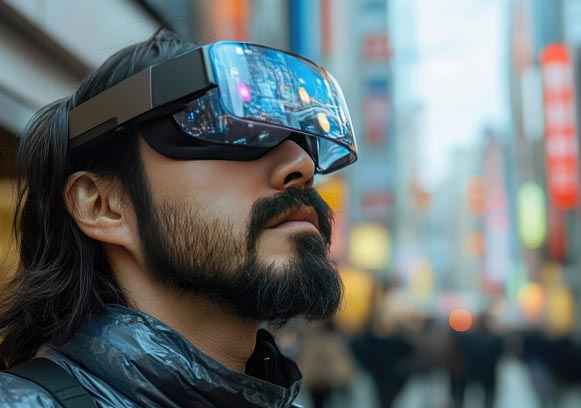
Introduction to Augmented Reality (AR) in Retail
Retailers are increasingly integrating AR to bridge the gap between physical and digital shopping. Whether it's virtually trying on clothes, previewing furniture in a room, or scanning product details in-store, AR makes the shopping experience more intuitive, efficient, and enjoyable.
Enhancing Online Shopping Through Virtual Try-Ons
Fashion brands and eyewear companies are at the forefront of this innovation. Consumers can now use their smartphone cameras or desktops to visualize how a pair of glasses, a dress, or even makeup products will look on them in real time, significantly boosting buyer confidence.
Boosting In-Store Engagement with AR Experiences
AR also enhances physical store visits by offering interactive and informative experiences. Instead of static product displays, stores can now use AR to offer real-time information, product comparisons, and customization options right at the point of sale.
This increases the time spent in-store and improves customer satisfaction. It also offers a competitive edge to retailers who are able to blend traditional shopping with tech-driven experiences, making physical stores more relevant in the digital age.
Bridging the Gap Between Online and Offline Retail
Imagine a customer browsing a furniture store online, using AR to visualize the sofa in their living room, then visiting the physical store to feel the material and finalize the purchase. Such integration creates a frictionless journey that enhances convenience and confidence.
Use Cases of AR in Retail
Virtual fitting rooms: AR-powered apps help customers try on clothes virtually to assess size and fit.Furniture placement: Brands like IKEA use AR to show how products will look in users' homes.Interactive product demos: Electronics retailers use AR to demonstrate features of gadgets.AR-powered catalogs: Scanning pages with a phone brings static images to life with animations and videos.In-store navigation: AR can guide customers to desired products within large department stores.
Reducing Product Returns and Improving Buyer Confidence
From trying on a lipstick shade to visualizing a refrigerator in the kitchen, AR reduces ambiguity. Customers who feel confident about their selections are less likely to return items, saving money and resources for both the buyer and retailer.
Personalization Through AR Technology
AR allows for a deeper level of personalization by adapting content to individual users. Shoppers can input preferences and receive tailored product suggestions or experiences that reflect their unique needs and styles.
This degree of customization not only enhances the user experience but also boosts conversion rates. Retailers leveraging AR personalization tools report higher levels of customer satisfaction and repeat purchases, demonstrating the technology's commercial benefits.
Gamification and Immersive Storytelling
AR introduces a fun, interactive element to shopping that can turn mundane tasks into engaging experiences. Gamification strategies such as AR treasure hunts or rewards for scanning AR tags can drive foot traffic and encourage exploration.
AR and Omnichannel Retail Strategy
Omnichannel retail aims to provide a cohesive shopping experience across all platforms-websites, mobile apps, and physical stores. AR supports this strategy by ensuring that customers receive consistent value no matter where they engage with the brand.
For example, an AR feature that works on a brand's website can also be used in-store via QR codes or smart mirrors. This continuity reinforces brand reliability and encourages customers to move seamlessly across channels without friction or confusion.
Improving Operational Efficiency
Inventory Management: AR can help staff visualize shelf layouts or optimize product placements.Training: New employees can use AR simulations for hands-on learning without disrupting operations.Customer Assistance: AR-powered kiosks or apps can guide shoppers, reducing the need for extra floor staff.
Challenges in AR Adoption
User education is also essential. Not all customers are familiar with AR interfaces, and a poorly designed experience can frustrate rather than engage. Retailers must ensure their AR solutions are intuitive and add genuine value to the shopping experience.
Consumer Perception and Behavioral Impact
Consumer response to AR in retail has been largely positive. Many users appreciate the convenience and novelty that AR adds to their shopping journeys. However, trust and usability remain key factors in determining long-term success.
Studies show that AR can significantly influence purchase decisions, especially among younger demographics. When users perceive AR as useful and easy to use, they are more likely to engage, convert, and become loyal advocates of the brand.
Future Trends of AR in Retail
Retailers will likely invest in cross-platform AR applications and cloud-based content management systems that allow for faster updates and scalability. These innovations will make AR more accessible, affordable, and embedded into the fabric of retail.
Case Studies: AR Success Stories in Retail
Brands like Sephora, IKEA, and Nike have set benchmarks with their AR implementations. Sephora's Virtual Artist app allows users to try on makeup virtually, leading to higher engagement and lower return rates. IKEA's Place app helps users visualize furniture in real spaces, increasing purchase confidence.
Nike's use of AR for foot scanning ensures better sizing and personalization. These brands not only drive sales but also improve customer satisfaction, setting an example for others to follow in adopting AR as part of their strategy.
Integrating AR with Other Emerging Technologies
For instance, AR-powered mirrors can use AI to recommend outfits based on current fashion trends or personal data. These hybrid systems will define the next generation of smart retail, where technology adapts to individual shoppers rather than the other way around.
Conclusion: AR as the Catalyst for Retail Evolution
As technology matures and becomes more affordable, AR will become an integral part of the retail landscape. Retailers that adopt AR now position themselves as innovators and customer-centric brands, prepared for the future of retail.














