
Understanding Smart Fabrics and Their Applications
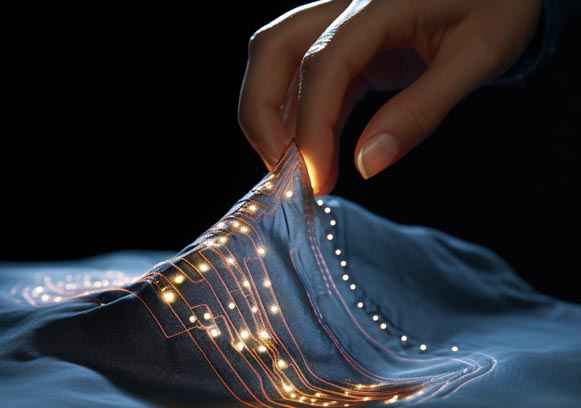
Smart fabrics, also known as e-textiles or intelligent textiles, integrate digital components or functions directly into fibers or fabric structures. Unlike wearables that are attached externally, smart fabrics provide seamless interaction with the body without sacrificing comfort or flexibility. These textiles are capable of sensing, reacting, or adapting to stimuli like temperature, moisture, UV exposure, or movement.
In fashion retail, this technology enables the development of responsive apparel that adjusts insulation based on weather, changes color according to light exposure, or powers small electronics like LED designs. The diversity of use cases makes smart fabrics highly attractive to innovators and disruptors across the fashion spectrum, opening new business models for online retailers looking to stand out in competitive markets.
Enhancing Customer Experience with Technology Integration
One of the most notable impacts of smart fabrics on online sales is the elevation of customer experience through immersive technology. Retailers are now tasked with not just showcasing aesthetics but also demonstrating functionality. Video demos, augmented reality try-ons, and interactive product pages have become essential tools in communicating how smart clothing works and why it's beneficial.
AI-driven personalization also plays a key role. Machine learning algorithms analyze browsing history, body metrics, and preferences to recommend smart garments that fit user-specific needs. For example, a customer who frequently shops for yoga apparel may be offered leggings with built-in muscle tracking. Such personalized recommendations improve the chances of satisfaction and return purchases.
Smart garments also often connect to apps or dashboards. Retailers that offer seamless integration between physical product, mobile software, and after-sales support provide a holistic user experience. This not only builds brand loyalty but also encourages social sharing and community engagement, which are vital drivers in the online fashion space.
Key Benefits of Smart Fabrics for Online Fashion Retailers
Increased Product Value: Smart fabrics offer unique, value-added features that justify higher price points and better profit margins for online sellers.Enhanced Storytelling: Smart apparel requires explanation and demonstration, giving retailers opportunities to use creative media, videos, and blogs to engage audiences.Greater Consumer Engagement: Technology-enhanced garments foster ongoing interactions between customer and brand through apps, updates, and performance tracking.Differentiation from Competitors: With smart clothing still relatively novel, early adopters in e-commerce can stand out and lead in niche verticals.Data-Driven Insights: Connected garments can send anonymous usage data back to brands, helping them improve products and refine marketing strategies.
Challenges and Limitations of Selling Smart Fabrics Online
Trends Shaping the Future of Smart Fabrics in E-Commerce
Increased Collaboration: Partnerships between fashion brands and tech startups are leading to groundbreaking innovations and faster market penetration.Sustainability Focus: New smart fabrics are being developed from biodegradable or recycled materials, appealing to eco-conscious consumers online.Wearable Integration: Smart garments are increasingly compatible with fitness trackers, smartphones, and other IoT devices for unified data tracking.Global Reach: Online marketplaces are enabling smart fabric brands to scale internationally faster than traditional retail methods.Customization Options: Advances in on-demand production are allowing shoppers to personalize smart apparel with specific functions or styles.














