
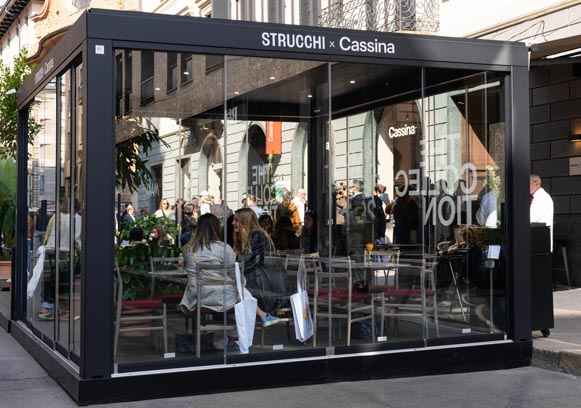
Introduction: The Changing Face of Retail Engagement
In recent years, the retail landscape has evolved dramatically, shaped by rapid technological advancements and shifting consumer behaviors. Traditional brick-and-mortar stores are no longer the sole hubs of shopping activity; instead, innovative concepts such as pop-up shops and digital showrooms have emerged as powerful tools for brands seeking to engage customers in fresh and dynamic ways.
Pop-up shops offer temporary physical spaces that generate excitement and exclusivity, while digital showrooms leverage online technology to provide immersive, interactive product experiences without geographical limitations. Together, these formats represent the future of retail, blending physical presence with digital innovation to meet modern shopper expectations.
The Appeal and Power of Pop-Up Shops
Pop-up shops have captured the imagination of retailers and consumers alike by offering a unique blend of urgency, novelty, and personalization. These temporary retail spaces often appear in unexpected locations for limited periods, creating a sense of exclusivity and excitement that drives foot traffic and media buzz.
By breaking from traditional long-term leases and permanent storefronts, pop-up shops allow brands to experiment with new markets, test products, and build direct customer relationships without heavy commitments. This agility makes them especially attractive in a retail environment that demands constant innovation.
For consumers, pop-up shops provide an engaging, sensory shopping experience that encourages discovery and connection. Whether it's a themed event, a collaboration with artists, or a product launch, pop-ups tap into the desire for authentic, memorable experiences that go beyond simple transactions.
Why Pop-Up Shops Resonate with Consumers
Exclusivity and urgency: Limited-time availability drives impulse visits.Experiential shopping: Interactive setups encourage exploration and fun.Community engagement: Localized events foster brand loyalty and word-of-mouth.Novelty and surprise: Fresh concepts keep consumers curious and engaged.Direct brand interaction: Opportunities to meet brand representatives and influencers.
Digital Showrooms: Revolutionizing Virtual Retail
Unlike traditional e-commerce websites that focus on transactional efficiency, digital showrooms prioritize engagement and discovery. They replicate many aspects of physical shopping, such as browsing multiple products in a curated environment and receiving personalized recommendations, but with the convenience and accessibility of online access.
For retailers, digital showrooms reduce overhead costs and geographical limitations while expanding reach. Customers can interact with products from anywhere in the world, breaking down barriers of distance and time zones. This format is particularly valuable for luxury, fashion, automotive, and home goods sectors where visual and tactile information strongly influences purchasing decisions.
Core Benefits of Digital Showrooms
Global reach: Accessible to consumers regardless of location.Enhanced visualization: 3D views, AR try-ons, and VR walkthroughs.Personalization: Customized product recommendations and virtual consultations.Cost efficiency: Lower physical infrastructure expenses.Data collection: Rich insights on customer behavior and preferences.
Synergies Between Pop-Up Shops and Digital Showrooms
For instance, pop-up shops often feature digital elements like QR codes linking to online catalogs or augmented reality stations, bridging physical and virtual retail. Conversely, digital showrooms may promote upcoming pop-up events, encouraging customers to experience products in person, deepening engagement and trust.
This synergy allows retailers to maximize touchpoints with customers and adapt swiftly to changing conditions. It also facilitates data collection and feedback loops that inform product development and marketing, creating a dynamic ecosystem where both physical and digital formats complement each other.
Examples of Integrated Retail Experiences
QR codes in pop-ups: Directing shoppers to expanded online product lines.Virtual try-on stations: Enhancing product exploration in physical spaces.Live-streamed pop-up events: Reaching digital audiences in real-time.Pop-up event announcements: Promoted via digital showrooms and social media.Seamless purchase flows: Buy online with in-store pickup or vice versa.
Challenges and Considerations for Retailers
Digital showrooms face technical challenges including platform development costs, ensuring seamless user experiences, and integrating with existing e-commerce and CRM systems. Additionally, both formats demand strong marketing efforts to generate awareness and drive traffic.
Another key consideration is maintaining brand consistency and delivering authentic experiences across all channels. Retailers must strike a balance between novelty and reliability, ensuring that temporary or virtual formats do not dilute brand identity or customer trust.
Common Challenges to Address
Logistics and operations: Managing temporary physical locations effectively.Technology integration: Building user-friendly digital showroom platforms.Customer engagement: Driving traffic and ensuring memorable experiences.Brand consistency: Maintaining unified messaging across channels.Security and privacy: Protecting customer data in digital interactions.
Looking Ahead: The Future of Retail Innovation
Retailers will increasingly adopt data-driven approaches to tailor these experiences, offering hyper-personalized interactions that blend convenience with emotional connection. Sustainability will also play a growing role, with temporary pop-ups focusing on eco-friendly practices and digital showrooms reducing the need for physical inventory.
Ultimately, the rise of pop-up shops and digital showrooms reflects a broader shift towards agile, customer-centric retail models that prioritize flexibility, engagement, and innovation. Those brands that embrace these trends thoughtfully will be well-positioned to thrive in the future retail ecosystem.
Emerging Trends to Watch
Mixed reality experiences: Combining VR and AR for immersive shopping.AI-driven personalization: Tailoring experiences based on real-time data.Eco-conscious pop-ups: Emphasizing sustainability and minimal waste.Social commerce integration: Leveraging influencers and social platforms.Global-local models: Digital showrooms serving global audiences, pop-ups connecting locally.
Conclusion
This blended approach reflects the future of retail - agile, experiential, and deeply connected to customer preferences and technologies. As brands continue to experiment and refine these formats, the boundaries between physical and digital retail will blur further, creating richer, more engaging shopping journeys for all.
For retailers, embracing pop-ups and digital showrooms offers a way to stay competitive, relevant, and responsive in a marketplace defined by rapid change and high consumer expectations. The best strategies will be those that innovate boldly while keeping the customer experience at the heart of every decision.














