
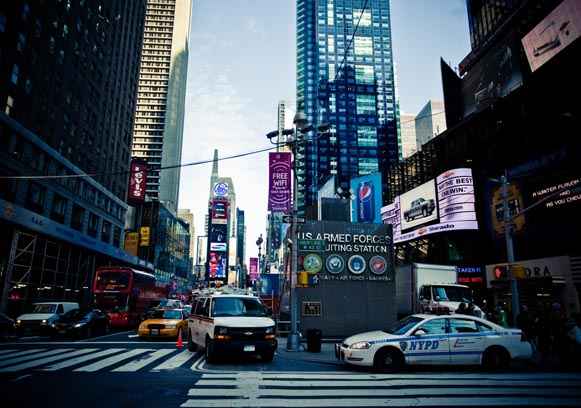
Urban Lifestyle and the Demand for Convenience
One of the most significant impacts of urbanization on online shopping trends is the increased demand for convenience. City life is often characterized by fast-paced routines, long working hours, and congested commuting, leaving consumers with limited time for traditional shopping. As a result, urban consumers are increasingly turning to online platforms that offer quick, easy access to a wide variety of products without the need to leave their homes.
The rise of on-demand services, including grocery delivery, meal kits, and subscription boxes, also reflects this trend. These services cater to urban consumers' need to optimize time, reduce stress, and enjoy personalized experiences tailored to their unique preferences.
Key Convenience Features Urban Consumers Value
Fast and reliable delivery options, including same-day and express shipping. Easy-to-use mobile apps and streamlined checkout processes. Multiple payment methods, including digital wallets and buy-now-pay-later (BNPL) options. Flexible delivery windows and location options like lockers or curbside pickup. Subscription and recurring purchase models tailored for urban lifestyles.
Technology Adoption Accelerated by Urban Density
From augmented reality (AR) to virtual assistants and AI-powered recommendations, urban shoppers show higher engagement with cutting-edge tools designed to enhance the online shopping experience. The prevalence of smartphones and the ubiquity of mobile apps allow consumers to shop anytime and anywhere, a crucial factor in busy urban lifestyles.
Urban density also encourages social commerce and influencer marketing. The interconnected social fabric of cities means consumers rely heavily on peer recommendations, social media trends, and user-generated content when making purchasing decisions. Brands leveraging these technologies and social behaviors can effectively target urban markets with personalized, immersive shopping experiences.
Technology Trends Driving Urban E-Commerce
Mobile-first shopping platforms and apps. Augmented reality for virtual try-ons and product visualization. AI-driven personalization and predictive analytics. Social commerce integrated with messaging apps and social media. Smart logistics leveraging IoT and real-time tracking.
Changing Consumer Behavior in Urban Markets
Urban consumers often exhibit distinctive shopping behaviors influenced by their environment, economic conditions, and cultural diversity. With access to a broad range of products and services, they tend to be more experimental and open to trying new brands or categories online. This diversity fuels a dynamic and competitive e-commerce ecosystem.
Another trend is the rise of demand for localized and hyper-personalized experiences. Urban shoppers want products and offers tailored not only to their individual preferences but also to the local culture, climate, and lifestyle. Brands that customize their online presence and inventory to suit specific urban regions see higher engagement and loyalty.
Furthermore, impulse buying behavior is amplified by easy access to online stores and promotional offers delivered via mobile notifications or social media. Urban consumers often shop during short breaks or commutes, making micro-moments a critical touchpoint for e-commerce marketers.
Urban Consumer Behavior Highlights
Openness to trying new products and brands online. High value on product quality and ethical business practices. Preference for localized and culturally relevant products. Impulsive buying driven by mobile access and flash sales. Research-driven purchasing decisions supported by digital reviews.
Logistics and Infrastructure Challenges in Urban E-Commerce
To address these challenges, many companies are adopting micro-fulfillment centers closer to urban neighborhoods. These smaller, strategically located warehouses enable faster processing and delivery times. Additionally, alternative delivery methods such as bike couriers, drones, and autonomous vehicles are being tested and deployed in urban settings.
Collaboration with local stores for click-and-collect or curbside pickup options also alleviates delivery pressure and offers consumers more flexible fulfillment choices. Partnerships between e-commerce platforms and urban logistics startups foster innovative solutions tailored for city environments.
Despite challenges, efficient urban logistics remain a critical driver of customer satisfaction and retention. Businesses that can successfully navigate urban infrastructure constraints are positioned to capture a growing share of the booming urban e-commerce market.
Logistics Innovations for Urban Markets
Micro-fulfillment centers within or near cities. Use of eco-friendly delivery modes like bicycles and electric scooters. Drones and autonomous delivery vehicles for last-mile fulfillment. Click-and-collect and curbside pickup options. Real-time delivery tracking and dynamic routing software.














