
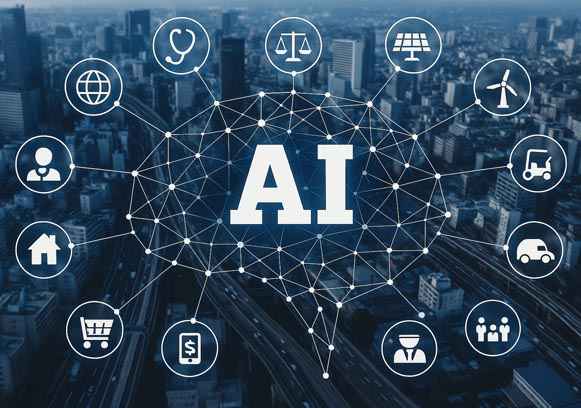
Understanding AI-Powered Personalization
AI-powered personalization refers to the use of machine learning algorithms, natural language processing, and data analytics to deliver customized experiences tailored to individual consumer preferences. Unlike traditional segmentation, which categorizes users into broad groups, AI enables granular understanding of customer behavior and intent.
This technology continuously learns from user interactions, improving its recommendations and communication over time. By analyzing vast amounts of data - including browsing history, purchase patterns, and social media activity - AI provides brands with actionable insights to engage customers more effectively.
Key Components of AI Personalization
Machine Learning: Algorithms analyze data and identify patterns to predict customer needs.Natural Language Processing (NLP): Understands and responds to customer queries in a human-like way.Data Analytics: Extracts insights from structured and unstructured customer data.Real-time Adaptation: Adjusts messaging and offers instantly based on customer actions.
Enhancing Customer Experience Through AI
For example, AI chatbots provide instant, 24/7 support, answering questions and resolving issues quickly. Meanwhile, recommendation engines suggest products and content that align with individual tastes, reducing search friction and boosting conversions.
Benefits of AI-Driven Personalization
Increased engagement: Personalized content grabs attention and encourages interaction.Improved customer satisfaction: Tailored experiences meet unique needs effectively.Higher conversion rates: Relevant recommendations drive purchases.Efficient customer service: Automated support reduces wait times and improves issue resolution.
Using AI to Analyze and Predict Customer Behavior
AI excels at transforming raw data into predictive insights that guide brand decisions. By examining customer journeys and behavior patterns, AI tools anticipate future actions, enabling proactive and personalized outreach.
Examples of Predictive AI Applications
Churn prediction: Identifying at-risk customers for targeted retention efforts.Personalized marketing: Delivering campaigns based on predicted purchase intent.Dynamic pricing: Adjusting prices in real-time according to demand and customer profile.Inventory management: Forecasting demand to optimize stock levels.
Challenges and Ethical Considerations in AI Personalization
While AI personalization offers numerous benefits, it also presents challenges that brands must navigate carefully. Privacy concerns top the list, as consumers become increasingly aware of how their data is used. Brands must ensure transparency and obtain consent to build trust.
Moreover, over-personalization can sometimes feel intrusive, risking customer discomfort or alienation. Balancing personalization with respect for boundaries is essential. Additionally, biases in AI algorithms can lead to unfair treatment or exclusion if not properly managed.
Key Ethical Guidelines for AI Use
Data privacy: Securely collect and handle customer data with clear consent.Transparency: Explain how AI uses data to personalize experiences.Bias mitigation: Regularly audit algorithms to prevent discriminatory outcomes.Human oversight: Maintain human control over automated decisions.
Strategies to Leverage AI for Brand Personalization
Next, invest in quality data infrastructure to collect, store, and analyze customer data accurately. Collaborate across teams - marketing, IT, customer service - to align AI initiatives with overall brand messaging and operational capabilities.
Steps to Implement AI Personalization
Set personalization objectives: Identify desired outcomes like engagement or sales uplift.Gather and unify data: Combine data sources for a holistic customer view.Choose the right AI tools: Select platforms that fit your scale and needs.Test and optimize: Continuously monitor AI performance and refine strategies.
The Future of AI and Brand Interaction Personalization
Looking ahead, AI will continue to evolve and expand its role in personalizing brand interactions. Emerging technologies like augmented reality, voice assistants, and emotional AI promise even richer, more immersive experiences.
Emerging Trends to Watch
Emotion recognition: AI detecting mood and sentiment to tailor responses.Conversational AI: More natural, human-like chatbots and voice interfaces.Hyper-personalization: Real-time, micro-targeted experiences across channels.AI-powered content creation: Automated generation of personalized marketing material.
Conclusion
AI has become a powerful enabler of personalized brand interactions, transforming how businesses engage with their customers. By leveraging AI's ability to analyze data, predict behavior, and deliver tailored experiences, brands can foster loyalty, boost conversions, and build lasting relationships.
However, successful AI personalization requires thoughtful implementation, respect for customer privacy, and a commitment to transparency and fairness. When executed well, AI-driven personalization is not just a technology upgrade - it's a strategic advantage that shapes the future of brand-customer connections.














