
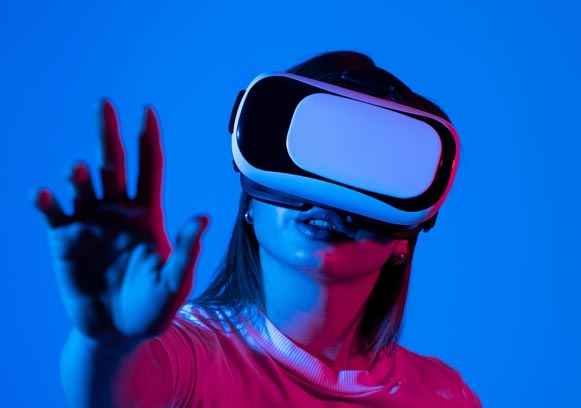
Introduction
The e-commerce landscape is evolving rapidly, with augmented reality (AR) and virtual reality (VR) technologies leading the way into the next generation of online shopping. These immersive tools are transforming how consumers interact with digital storefronts.
From trying on clothes to visualizing furniture in a room, AR and VR provide sensory-rich experiences that replicate in-store shopping. As technology becomes more affordable and widespread, these innovations are shaping the future of consumer engagement.
AR in E-Commerce: Elevating Product Interaction
This visualization reduces uncertainty and helps in making confident purchasing decisions. The enhanced product experience contributes significantly to lower return rates and higher customer satisfaction.
VR: Creating Immersive Shopping Environments
Virtual Reality takes user experience to the next level by placing customers inside entirely digital shopping environments. These simulated spaces allow users to walk through virtual stores, explore items on virtual shelves, and interact with 3D products.
The immersive nature of VR is especially useful in sectors like real estate, automotive, and luxury retail, where physical interaction with products was previously a barrier to online sales.
Benefits of AR/VR in Online Shopping
Enhanced Engagement: Keeps shoppers on websites longer, increasing the likelihood of conversion.Reduced Returns: Customers better understand the product before purchase.Competitive Advantage: Brands offering AR/VR differentiate themselves from competitors.Data Collection: Behavioral insights from interactions inform better business decisions.
Industries Embracing AR and VR
Similarly, home decor brands offer apps where customers can visualize furniture, lighting, or art in their space. This creates confidence and emotional investment in the purchase, driving sales.
Technology Requirements and Accessibility
For AR and VR experiences to be successful, users need compatible devices such as smartphones, tablets, or VR headsets. The development of 5G networks also supports smoother and faster experiences.
Developers are making these technologies more browser-friendly, allowing AR/VR features without needing app downloads. This enhances accessibility and widens the user base.
Key Challenges in AR/VR Implementation
Cost of Development: Creating immersive environments requires significant investment.User Readiness: Not all consumers have the hardware or willingness to adopt these experiences.Technical Glitches: Poor performance or bugs can ruin the user experience.Data Privacy: Increased tracking capabilities raise ethical concerns about data use.
Impact on Conversion Rates
With visual context, shoppers gain a deeper understanding of products, leading to higher confidence and faster decisions. Many businesses report double-digit increases in conversion after implementing AR/VR tools.
Customer Expectations Are Changing
As consumers become accustomed to high-tech experiences, they begin to expect similar levels of interactivity across all e-commerce platforms. Retailers who fail to adapt risk losing market share.
Incorporating AR and VR is becoming less of a novelty and more of a competitive necessity. The more intuitive and seamless the experience, the more it aligns with evolving consumer expectations.
AR in Mobile Commerce
In-App Try-Ons: Brands like Warby Parker allow virtual eyewear try-ons via mobile apps.Social AR Filters: Instagram and Snapchat integrate AR shopping filters for product previews.Tap-to-Place Features: AR lets users place furniture or appliances in their homes through mobile cameras.Geo-Based Marketing: AR experiences tailored to the user's location or shopping habits.
Future Trends and Innovations
As these technologies evolve, they will become more integrated with blockchain, NFTs, and the broader Web3 ecosystem. This convergence will open up entirely new business models and digital retail experiences.
Conclusion
AR and VR are transforming e-commerce into a more interactive, immersive, and personalized experience. These technologies are not just enhancing shopping-they are redefining it.
Businesses that invest in AR and VR today are not only future-proofing their operations but also aligning with the evolving expectations of digital-first consumers. The virtual shopping revolution is here, and it's just getting started.














