
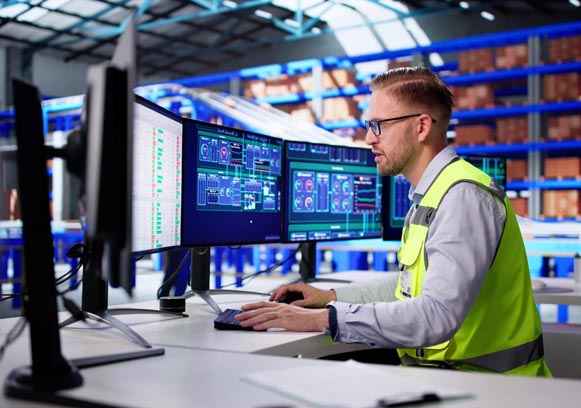
Understanding Supply Chain Bottlenecks
Supply chain bottlenecks occur when a particular stage or process within the supply chain becomes overloaded or inefficient, causing delays that ripple throughout the entire system. These bottlenecks can arise from various factors such as limited supplier capacity, transportation delays, or production inefficiencies. Ignoring these issues can severely disrupt operations and harm business performance.
The Impact of Bottlenecks on Operational Efficiency
Bottlenecks slow down the entire supply chain process, leading to inefficiencies that affect production schedules and delivery timelines. When one part of the chain is constrained, downstream activities must either wait or work around the problem, which can result in idle time and wasted resources.
These inefficiencies increase operating costs and reduce throughput, limiting a company's ability to respond to market demand. Over time, persistent bottlenecks can damage supplier relationships and strain internal teams as they scramble to mitigate delays and disruptions.
Financial Consequences of Ignoring Bottlenecks
Ignoring supply chain bottlenecks can have a direct negative impact on a company's finances. Delays caused by bottlenecks often result in missed delivery deadlines, which can lead to penalties, lost sales, and diminished customer trust. The cost of expedited shipping or overtime work to catch up also adds to operational expenses.
Customer Experience and Reputation Risks
Supply chain bottlenecks inevitably affect the customer experience by delaying product availability and delivery. Customers today expect timely and reliable service, and failure to meet these expectations can lead to dissatisfaction and loss of loyalty.
Poor customer experience caused by supply chain disruptions damages brand reputation and can give competitors an advantage. Maintaining a responsive and efficient supply chain is therefore essential to sustaining market position and customer trust.
Common Causes of Supply Chain Bottlenecks
Limited supplier capacity unable to meet demand increases Transportation delays caused by logistics inefficiencies or external disruptions Poor inventory management leading to stockouts or overstocking Ineffective communication between supply chain partners Outdated technology systems lacking real-time visibility
How to Identify Bottlenecks Early
Regular collaboration and open communication with suppliers and logistics partners help surface issues before they escalate. Additionally, conducting periodic process audits and workflow analyses can reveal hidden constraints and inefficiencies.
Strategies to Resolve and Prevent Bottlenecks
Addressing bottlenecks involves identifying root causes and implementing targeted solutions to improve flow and capacity. This might include diversifying suppliers, investing in transportation infrastructure, or enhancing inventory management practices.
Preventative strategies such as demand forecasting, buffer inventory, and flexible sourcing help mitigate the risk of future bottlenecks. Leveraging technology for real-time tracking and automated alerts supports proactive management.
The Role of Technology in Managing Supply Chain Bottlenecks
Emerging technologies like artificial intelligence and machine learning optimize inventory levels, predict demand fluctuations, and recommend corrective actions. Automation reduces manual errors and speeds up decision-making, contributing to smoother supply chain flow.
Human Factors and Process Improvements
Beyond technology, addressing bottlenecks requires examining human processes and organizational structure. Training staff, improving cross-functional collaboration, and clearly defining roles help reduce miscommunication and process delays.
Encouraging a culture of continuous improvement and feedback empowers employees to identify inefficiencies and suggest solutions. Streamlining processes and eliminating redundant tasks further enhances supply chain responsiveness.
Consequences of Neglecting Bottlenecks: Real-World Examples
Similarly, a manufacturing firm experienced costly production stoppages due to delayed shipments of critical components. Their failure to diversify suppliers and anticipate transportation risks exposed the business to avoidable financial losses and reputational damage.
Balancing Cost and Capacity in Supply Chain Design
Building a resilient supply chain involves balancing cost efficiency with capacity flexibility. While reducing costs is important, underinvesting in capacity and technology often creates bottlenecks that undermine savings.
Companies should evaluate their supply chain design to ensure it can absorb demand spikes and disruptions without excessive delays. This includes investing in scalable systems and maintaining contingency plans for emergencies.
Supply Chain Bottlenecks and Competitive Advantage
In contrast, competitors plagued by bottlenecks struggle to keep pace, lose customers, and incur higher operational costs. Proactive bottleneck management is therefore a strategic priority for market leaders.
Summary of Key Points
Bottlenecks disrupt flow and increase operational costs Ignoring bottlenecks risks customer dissatisfaction and lost revenue Early detection via data and communication is essential Targeted solutions include supplier diversification and tech investment Human processes and culture also impact bottleneck resolution Balanced supply chain design supports resilience and growth
Conclusion: The Critical Need to Address Supply Chain Bottlenecks
Supply chain bottlenecks represent a hidden danger that can escalate rapidly and cause serious harm to business operations, finances, and reputation. Ignoring these constraints compromises efficiency and agility, limiting a company's ability to compete and grow.














