
Improving Demand Forecasting Accuracy
Predictive analytics has proven highly effective in refining demand forecasting, one of the most critical components of supply chain success. Traditional forecasting methods often rely on outdated models or static assumptions, which can result in stockouts or excess inventory. Predictive models, on the other hand, utilize vast datasets including historical sales, seasonality, customer behavior, and external factors such as market trends or weather conditions.
Furthermore, predictive analytics can identify new patterns in customer purchasing behavior that might otherwise go unnoticed. This allows companies to anticipate surges in demand for certain products or SKUs and respond accordingly. The ability to anticipate and act instead of simply reacting gives a significant competitive advantage in today's fast-paced market landscape.
Streamlining Inventory and Warehouse Management
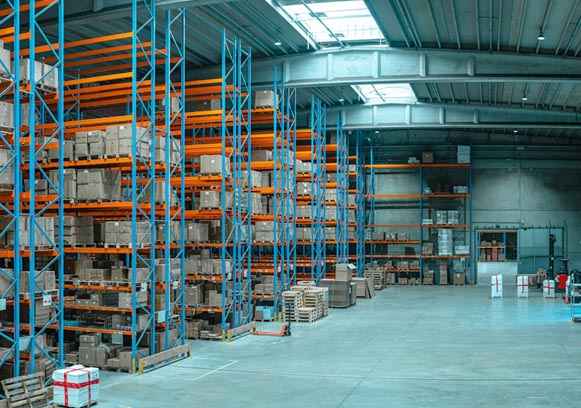
Inventory control is a delicate balancing act. Too much inventory leads to increased holding costs, while too little creates the risk of stockouts. Predictive analytics plays a critical role in helping organizations maintain optimal inventory levels by forecasting usage rates, shelf-life, and lead times across various product categories. This improves not only stock availability but also warehouse efficiency.
Moreover, predictive analytics enables just-in-time (JIT) inventory strategies, which reduce waste and improve cash flow. Businesses gain more precise control over how and when goods move through their facilities, ultimately lowering costs and improving overall responsiveness to market shifts. In environments where agility is crucial, predictive tools are indispensable.
Enhancing Supplier and Vendor Collaboration
Strong supplier relationships are essential for maintaining an efficient supply chain, and predictive analytics can strengthen those connections. By analyzing past supplier performance and delivery patterns, businesses can identify potential bottlenecks or inconsistencies in lead times. This insight allows for more accurate planning and proactive engagement with vendors to address issues before they escalate.
In addition, predictive systems enable collaborative planning and forecasting with suppliers. Sharing demand forecasts and production schedules helps align expectations and reduce friction in procurement processes. This level of transparency and coordination is essential for minimizing delays, improving on-time delivery rates, and maintaining a competitive edge.
As global supply chains face increasing uncertainty, businesses that integrate predictive insights into supplier management gain a significant strategic advantage. They are able to pivot quickly, mitigate disruptions, and maintain consistency in production and delivery. Supplier relationships based on data-driven collaboration foster long-term trust and operational excellence.
Optimizing Transportation and Logistics
Additionally, predictive models can analyze carrier performance over time and recommend the most reliable partners for different regions or delivery types. These insights improve service consistency while reducing risk from unexpected delays. When combined with GPS tracking and IoT sensors, predictive analytics also supports dynamic rerouting capabilities, ensuring goods are delivered on time even when conditions change unexpectedly.
Freight consolidation is another area where predictive analytics shines. By analyzing shipment patterns, the system can recommend bundling opportunities that reduce the number of trips required. This not only lowers transportation expenses but also supports sustainability goals by decreasing carbon emissions across the supply chain.
Overall, the application of predictive analytics in logistics helps transform what was once a reactive domain into a strategic asset. Companies that optimize transportation through predictive tools can respond to challenges with agility and precision, leading to better customer experiences and lower operational costs.
Key Predictive Analytics Applications in the Supply Chain
Demand Planning: Uses historical and real-time data to forecast future customer demand across different markets and product lines.Inventory Optimization: Ensures optimal stock levels by predicting reorder points, product life cycles, and turnover rates.Supplier Risk Assessment: Identifies potential risks from vendor behavior, geopolitical factors, or logistical bottlenecks.Transportation Routing: Improves delivery efficiency by forecasting route congestion and evaluating carrier performance.Customer Satisfaction Monitoring: Predicts potential delays or product shortages that may impact customer satisfaction and loyalty.
Challenges to Implementing Predictive Analytics
Data Quality Issues: Poor-quality or incomplete data can undermine model accuracy and lead to faulty predictions.Integration Complexity: Merging predictive tools with legacy systems can require significant IT effort and expertise.High Initial Investment: Building or purchasing predictive platforms often involves substantial upfront costs.Skilled Workforce Shortage: There is a growing demand for data scientists and analysts familiar with supply chain dynamics.Change Management: Organizational resistance can delay or derail predictive analytics adoption if not managed properly.
The Future of Predictive Analytics in Supply Chain Management
Real-time predictive dashboards will become more common, providing supply chain leaders with live updates and scenario modeling capabilities. This will allow for rapid decision-making in response to market changes or disruptions. Automation, driven by predictive analytics, will further streamline operations, reduce costs, and improve sustainability.
Collaboration between departments and partners will be enhanced through predictive platforms that enable shared insights and unified decision-making. In the coming years, businesses that embed predictive analytics deeply into their supply chain strategies will stand out as agile, efficient, and customer-centric leaders in their fields.














