
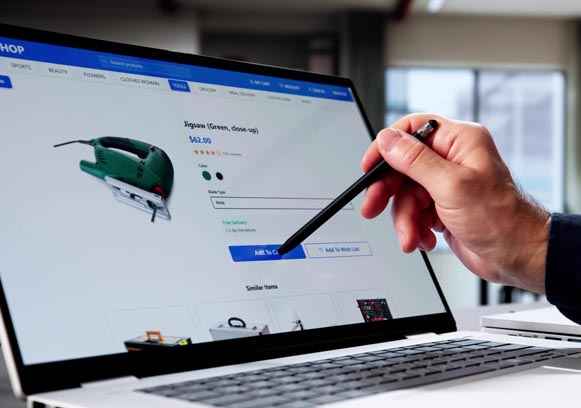
Dealing with Cart Abandonment
Cart abandonment remains a significant challenge for online retailers. Many shoppers add items to their cart but leave without completing the purchase due to hidden costs, complex checkout processes, or distractions. This not only impacts revenue but also signals potential issues in the user experience.
To reduce abandonment, streamline the checkout flow by minimizing steps and offering multiple payment options. Clearly display total costs, including shipping and taxes, before checkout. Retarget customers with abandoned cart emails, reminders, or incentives to recover lost sales effectively.
Handling Logistics and Fulfillment
Logistics and order fulfillment are critical to delivering a positive customer experience. Delays, inaccurate tracking, or poor packaging can result in negative reviews and lost trust. A smooth backend operation is essential to keep customers happy and reduce return rates.
Ensuring Cybersecurity and Data Protection
Secure Checkout: Use SSL certificates and ensure your checkout process is HTTPS encrypted.Regular Security Audits: Perform vulnerability assessments and pen-testing periodically.Strong Password Protocols: Enforce two-factor authentication for admin access.Data Compliance: Comply with GDPR, CCPA, and other regional data privacy laws.Customer Education: Encourage users to create strong passwords and avoid phishing links.
Managing Inventory Fluctuations
Inventory issues like stockouts or overstocking can severely affect profitability and customer satisfaction. A lack of visibility into stock levels or seasonal demand variations can lead to missed sales or deadstock accumulation. Effective inventory planning is vital for smooth operations.
Winning and Retaining Customers
Customer acquisition is expensive, and retention is even more vital for profitability. Gaining new customers through ads or promotions is often necessary, but failing to convert them into loyal buyers can undermine business sustainability. Focusing solely on one-time sales isn't enough.
To encourage repeat purchases, personalize the customer journey using data such as past orders or browsing history. Loyalty programs, personalized emails, and follow-up messages post-purchase are great tools to deepen relationships. Satisfied customers also tend to become brand advocates.
Creating Seamless Mobile Experiences
Responsive Design: Ensure your website layout adapts to various screen sizes fluidly.Fast Load Times: Compress images and eliminate unnecessary scripts to boost speed.Mobile Payment Integration: Enable mobile wallets like Apple Pay and Google Pay.Thumb-Friendly Navigation: Design buttons and CTAs that are easy to tap with one hand.Optimize Product Pages: Keep descriptions concise and images swipeable for mobile users.
Managing Rising Advertising Costs
Diversifying marketing efforts can ease this pressure. Focus on SEO, content marketing, influencer collaborations, and organic community building to balance paid efforts. Retargeting existing visitors, improving conversion rate optimization (CRO), and leveraging referral programs also boost returns.
Handling Negative Reviews and Public Feedback
Negative reviews can quickly damage a brand's reputation if not managed properly. While not all criticism is avoidable, how a company responds speaks volumes. Ignoring or deleting complaints can escalate the situation and erode public trust.
Responding professionally, apologizing sincerely, and offering solutions can turn a negative experience into a positive one. Reviews also provide valuable insight into product or service issues you may not have noticed internally. Use feedback constructively to improve and innovate.
Integrating and Adopting New Technologies
Use AI for Personalization: Tools like recommendation engines can improve user engagement and sales.Automate Customer Service: Chatbots and AI help desks resolve common inquiries quickly.Leverage Analytics Platforms: Google Analytics, Hotjar, and others offer insights into user behavior.AR for Product Visualization: Augmented reality helps reduce returns by showing products in real-world settings.Omnichannel Tools: Unified platforms streamline inventory, order, and customer data across all sales channels.
Standing Out in a Competitive Market
Building a distinct brand voice, value proposition, and emotional connection with your audience helps you stand apart. Whether it's through sustainability, community engagement, niche targeting, or premium packaging, find a compelling angle that resonates with your ideal customer.
Conclusion: Proactive Strategy Over Reactive Panic
E-commerce is full of opportunities, but it comes with inevitable challenges that require thoughtful solutions. By understanding the most common hurdles and developing strategies to overcome them, businesses can not only survive but thrive in the competitive online marketplace.
A proactive approach-rooted in customer understanding, technological adaptation, and operational efficiency-allows you to stay ahead of the curve. While challenges may evolve, the ability to respond strategically is what ultimately defines long-term e-commerce success.














