
Types of Loyalty Programs in Retail
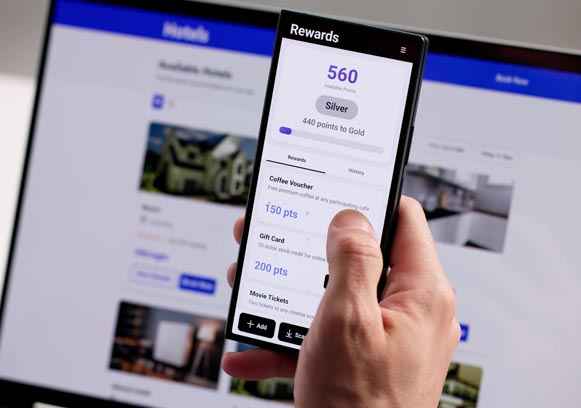
There are several models of loyalty programs that retailers can adopt, each with its own set of benefits and challenges. The most common type is the points-based system, where customers earn points for every purchase they make. These points can later be redeemed for discounts, free products, or exclusive deals. This simple structure is easy to understand and popular among shoppers.
Subscription-based loyalty programs are gaining traction as well. These require a monthly or annual fee in exchange for continuous benefits, such as free delivery or member-only discounts. Amazon Prime is a well-known example of this approach. It offers significant value to customers while providing the company with recurring revenue.
Why Customers Appreciate Loyalty Programs
Customers enjoy loyalty programs primarily because they offer tangible value in return for consistent behavior. Discounts, cashback, and free products make them feel appreciated, which enhances their overall satisfaction with the brand. When customers feel rewarded, they are more likely to remain loyal over the long term.
Many customers also perceive loyalty programs as a way to stretch their purchasing power. Being part of a program often means gaining access to exclusive deals or early-bird specials that are not available to the general public. This sense of exclusivity creates excitement and further encourages repeat purchases.
Advantages for Retailers
From a business perspective, loyalty programs can significantly enhance customer lifetime value. When customers stay longer and spend more, the average revenue per user increases. Additionally, loyal customers often act as brand advocates, promoting the retailer to their friends and family and contributing to organic growth.
Loyalty initiatives also provide invaluable data about customer behavior. Retailers gain insights into purchasing frequency, product preferences, and seasonal trends. This data can inform everything from marketing strategies to inventory planning, ultimately improving operational efficiency.
Another benefit is the reduction in churn. Acquiring new customers is often more expensive than retaining existing ones. Loyalty programs create a structured way to keep customers engaged and returning, thereby reducing acquisition costs and increasing profitability.
Features That Make a Loyalty Program Successful
Ease of Use: Customers should be able to understand and use the program without confusion or technical difficulty.Multi-Channel Integration: The program should function seamlessly across online stores, mobile apps, and physical locations.Personalized Rewards: Tailoring rewards based on customer behavior increases satisfaction and engagement.Clear Communication: Customers need to know how to earn and redeem rewards, and be notified about their progress.Gamification Elements: Including badges, challenges, or streak rewards can make participation more fun and sticky.
Examples of Successful Loyalty Programs
Starbucks Rewards: A points-based mobile app program offering free drinks and exclusive offers for loyal users.Sephora Beauty Insider: A tiered system with benefits like birthday gifts, early access to sales, and product samples.Amazon Prime: A subscription-based program offering shipping perks, streaming content, and exclusive deals.Walgreens Balance Rewards: A hybrid program that allows customers to earn points for purchases and healthy behaviors.H&M Membership: A digital-first program offering discounts, points, and conscious shopping incentives.
Encouraging Customer Participation and Engagement
Offering a small incentive for joining-like a welcome discount or bonus points-can provide an immediate reason for customers to enroll. Once onboarded, regular reminders and updates about their rewards status help keep the program top of mind. Visual progress indicators also motivate users to continue engaging.
Another useful strategy is social proof. Showcasing how many people are part of your loyalty program or sharing testimonials can create a sense of community. This psychological factor can drive even more sign-ups, as customers don't want to miss out on what others are enjoying.
Challenges to Consider and Overcome
One common challenge in managing loyalty programs is keeping them fresh and exciting. Over time, customers may lose interest if the rewards become repetitive or if the earning structure is too slow. To maintain engagement, it's important to regularly introduce new benefits, limited-time offers, or seasonal bonuses.
Data privacy is also a growing concern. Customers are more aware than ever about how their information is collected and used. Retailers must be transparent about data policies and ensure robust security measures are in place. Trust is a crucial part of customer loyalty.
Measuring the Success of Loyalty Programs
To determine whether a loyalty program is working, retailers should track key performance indicators such as enrollment rate, active participation, and redemption frequency. These metrics provide insights into how well customers are engaging with the program and where improvements may be needed.
Customer lifetime value (CLV) is another important metric. If the average CLV of loyalty program members is significantly higher than non-members, the program is likely driving positive business results. Additionally, monitoring purchase frequency and average order value among members helps assess overall impact.
Conclusion: A Win-Win Relationship
Loyalty programs, when thoughtfully designed, create a win-win relationship between retailers and customers. For customers, the value lies in rewards, recognition, and a sense of belonging. For businesses, the benefits come in the form of retention, data insights, and increased revenue.
The key to success lies in personalization, transparency, and ongoing engagement. Programs that evolve with customer expectations and adapt to new retail trends will remain relevant and effective. Whether you're a small business or a large chain, loyalty programs can be a powerful tool for building long-term relationships.
Ultimately, loyalty is not just about discounts or perks-it's about emotional connection. When customers feel understood, appreciated, and rewarded, they're more likely to return and advocate for the brand. That's the true power of a successful loyalty strategy.














