
Introduction: The Importance of Data in Modern Marketing
In today's digital economy, data is the foundation of personalized and relevant marketing strategies. Businesses are moving away from one-size-fits-all campaigns and embracing data-driven marketing messages tailored to individual preferences and behaviors.
By understanding the power of data analytics and segmentation, marketers can develop messaging that is both meaningful and effective. The result is a significant boost in campaign performance, customer retention, and overall brand value.
Types of Data Used in Customized Messaging
Customization starts with data-specifically, the types of data that marketers collect and analyze. These data sets can be broadly categorized into three main types: demographic, behavioral, and psychographic data.
Collecting and Organizing Customer Data
Once collected, this data needs to be cleaned and organized into usable formats. Data silos-when information is trapped in isolated systems-can hinder a brand's ability to create cohesive marketing messages. Integrating data sources is key to gaining a 360-degree view of the customer.
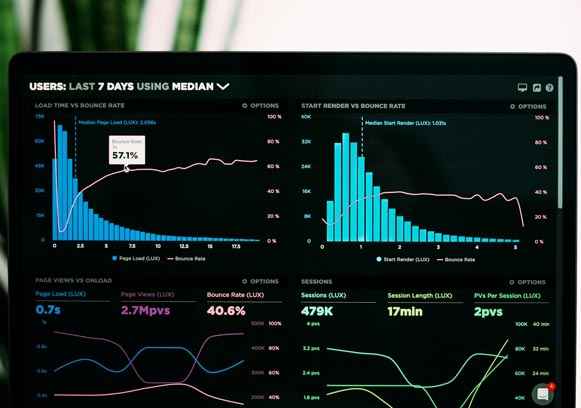
For example, a unified dashboard can combine email click-through rates, in-store purchase history, and customer support interactions. This centralization allows marketers to craft messages that consider the full customer journey rather than isolated touchpoints.
Segmenting Audiences for Better Targeting
Audience segmentation allows businesses to tailor messages to specific groups, improving relevance and response rates. Rather than blasting a single message to everyone, marketers can divide their audience based on shared characteristics.
Demographic segmentation: Age, gender, income, occupationBehavioral segmentation: Purchase history, loyalty, user behaviorGeographic segmentation: Location, language, regional trendsPsychographic segmentation: Lifestyle, interests, values
Each of these segments responds differently to messaging. For example, a high-income customer in a metropolitan area may value convenience and luxury, while a younger audience in a rural location might prioritize affordability and authenticity.
Crafting the Right Message for the Right Segment
Once segmentation is in place, it's time to craft messages that resonate with each audience. This involves understanding not just who the customer is, but what motivates them, what challenges they face, and what tone of voice appeals to them.
Personalized subject lines in emails, product recommendations based on browsing history, or dynamic landing pages with localized content can all significantly improve performance. These tactics demonstrate that the brand understands and values its audience.
Using AI and Automation to Deliver Customized Content
AI plays a critical role in managing and analyzing data at scale. With machine learning algorithms, businesses can quickly identify patterns, segment users, and predict behavior. This enables real-time customization that manual methods simply can't match.
For example, e-commerce platforms use AI to show users personalized product recommendations based on their browsing habits and purchase history. Email platforms now allow automated drip campaigns triggered by user actions like cart abandonment or previous purchases.
The use of AI also reduces human error, increases efficiency, and ensures consistency in message delivery. It allows marketers to focus on strategy and creativity while the technology handles the execution and optimization.
Successful Examples of Data-Driven Personalization
Spotify: Uses listening data to generate personalized playlists like "Discover Weekly," increasing user engagement and retention.Amazon: Recommends products based on search history, views, and purchases, accounting for nearly 35% of its total revenue.Netflix: Uses user behavior to suggest shows, create watch lists, and even design thumbnails based on viewer preferences.
Even smaller businesses can adopt similar strategies by starting with simple tools like Google Analytics, email segmentation, and customer surveys to gradually build personalized campaigns.
Measuring the Impact of Customized Messages
To assess the effectiveness of customized marketing efforts, businesses should monitor key performance indicators (KPIs) such as click-through rates, conversion rates, and customer lifetime value. A rise in these metrics typically indicates that the messaging is resonating.
Customer satisfaction scores and Net Promoter Scores (NPS) can also offer insight into how customers feel about personalized communication. Feedback and survey results help fine-tune future messaging.
Tools like heatmaps, A/B testing software, and attribution models enable marketers to measure the specific contribution of each personalized message in the customer journey. This allows for continuous improvement and ROI optimization.
Challenges and Ethical Considerations
Another challenge is data quality. Inaccurate or outdated data can lead to poorly targeted messages, damaging brand reputation. Regular data hygiene practices must be in place to maintain accuracy.
Lastly, over-personalization can backfire. If customers feel “creeped out” by how much a company knows about them, it can erode trust. The goal is to be helpful, not invasive-finding the balance is key.
Conclusion: The Future of Customized Marketing
Leveraging data to create customized marketing messages is no longer a competitive edge-it's a necessity. As consumer expectations evolve, brands that personalize content effectively will be better positioned to capture attention and build loyalty.
With the right strategy, tools, and ethical considerations, marketers can unlock the full potential of their data. From segmentation to AI automation, every step in the personalization process contributes to a stronger connection with the customer.














