
1. Choosing the Right Platforms
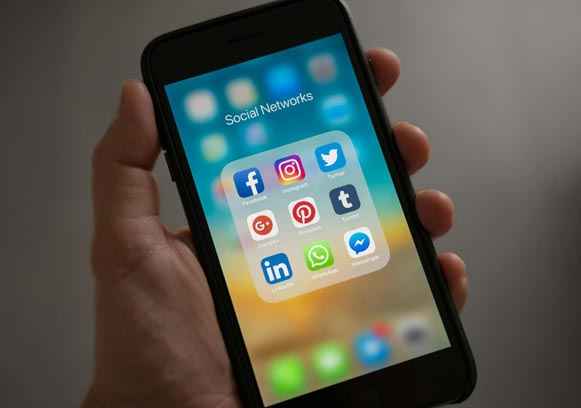
Not all social media platforms are created equal. When planning your e-commerce launch, it's essential to focus on platforms where your target audience is most active. For instance, fashion and lifestyle brands often perform well on Instagram and Pinterest, while tech and gaming brands might have more success on Twitter and YouTube.
Analyze demographics and user behavior on each platform to align with your brand goals. Choosing the right platform will help you direct your energy and content creation efforts more effectively for maximum engagement and reach.
2. Create a Pre-Launch Content Calendar
Consistency is key. A well-structured posting schedule ensures your followers stay engaged and that your brand remains top of mind. Scheduling tools like Later, Buffer, or Hootsuite can automate posts and save time.
3. Optimize Your Social Media Profiles
Use high-quality images and brand-aligned profile pictures and banners.Write clear bios that describe your brand and include a call to action.Link to your coming soon or landing page to capture leads before launch.Ensure contact details are updated and messaging is enabled for support.
Optimizing your social media profiles ensures visitors can quickly understand what your business is about and how to take the next step, whether that's signing up for updates or browsing your launch page.
4. Build a Launch Hashtag
Encourage followers and influencers to use your hashtag when posting about your products. This creates buzz, increases visibility, and helps you collect user-generated content to share later.
5. Run Countdown Campaigns
Countdown campaigns are excellent for building urgency and maintaining excitement. Use Instagram stories, Facebook posts, or TikTok videos to count down the days to your launch.
Pair countdowns with sneak peeks, pre-order opportunities, or exclusive bonuses. This approach drives interest and keeps your audience coming back daily to stay in the loop.
6. Host Giveaways and Contests
Ask followers to tag friends and share your post for a chance to win a free product.Collect emails through giveaway entries to grow your launch list.Partner with influencers to reach a broader audience and add credibility.Announce winners live or through engaging visuals to build community excitement.
7. Utilize Paid Social Ads
Paid ads on platforms like Facebook, Instagram, and TikTok offer advanced targeting tools to reach your ideal audience. Start with a small budget and test multiple creatives to determine which messaging and visuals perform best.
Use ads to drive traffic to your pre-launch landing page or directly promote your launch offers. Track key metrics like click-through rates, conversion rates, and ad ROI to refine your strategy.
8. Collaborate with Influencers
Influencer collaborations can introduce your brand to large, engaged audiences. Choose influencers who align with your niche and have a track record of authentic engagement.
Send product samples or offer affiliate partnerships. Allow them creative freedom while ensuring they highlight key brand messaging and include a call-to-action in their content.
9. Share Behind-the-Scenes Content
Authentic content like this strengthens the relationship with your audience and helps them feel part of your journey. This connection can boost loyalty and early support.
10. Engage with Your Community
Reply to comments and DMs promptly to show you're attentive and responsive.Like and comment on follower posts using your hashtag.Ask questions or run polls to spark engagement and gather insights.Feature customer messages or shoutouts to build social proof.
Engagement isn't just about pushing content-it's about creating conversations. When users feel seen and heard, they are more likely to support and share your brand with others.
11. Schedule a Live Launch Event
Going live on launch day is a powerful way to connect directly with your audience. Platforms like Instagram Live, Facebook Live, or TikTok Live allow you to showcase your product, answer questions, and drive urgency through limited-time offers.
12. Post Launch Highlights and Reviews
Once your store launches, showcase real customer feedback, unboxings, and reviews. These posts act as social proof and help sway potential buyers who may still be undecided.
Use carousels, video testimonials, and story highlights to keep this content visible and accessible. Encourage new customers to tag you in their content and continue the conversation post-launch.
13. Analyze and Improve
Post-launch, review your social media analytics to understand what worked and what didn't. Look at metrics like engagement rate, click-throughs, follower growth, and conversion rates.
Use these insights to refine your strategy for future promotions or product launches. Continuous improvement is key to long-term social media success.
14. Repurpose Content Across Channels
Turn long captions into Twitter threads or Pinterest pins.Convert behind-the-scenes stories into TikTok montages.Compile customer testimonials into reels or YouTube Shorts.Use blog snippets as quote graphics or infographics on Instagram.
15. Conclusion: Turning Hype into Sales
Using social media strategically during your e-commerce launch can significantly influence your brand's visibility and customer base. By choosing the right platforms, engaging your community, and creating compelling content, you build anticipation and trust before your store even opens.
Continue nurturing your audience after launch with consistent engagement, user-generated content, and transparent communication. A strong social media presence is an essential tool not just for a successful launch, but for sustainable growth in the e-commerce world.














