
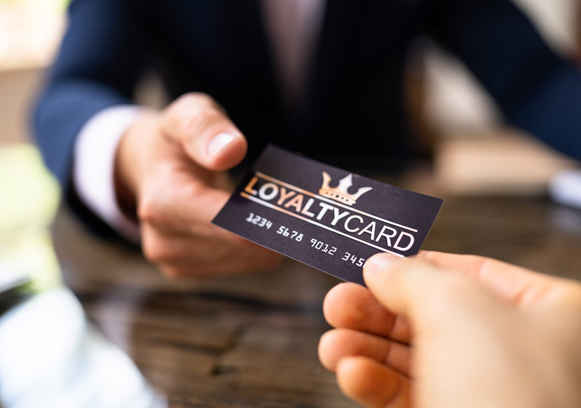
Why Customer Loyalty Matters for Small Businesses
Customer loyalty is more than just a nice-to-have; it's a fundamental driver of small business success. Loyal customers tend to spend more over time, are less price-sensitive, and often provide valuable feedback that can guide improvements. They also act as brand ambassadors, recommending your business to friends and family, which leads to organic growth.
Compared to acquiring new customers, retaining existing ones is generally more cost-effective. Marketing campaigns and advertising designed to attract new clients can be expensive, while loyal customers already have familiarity and trust with your brand, reducing the need for extensive outreach. Moreover, repeat buyers contribute to predictable revenue streams that help with better business planning.
The Emotional Component of Loyalty
While discounts and rewards are useful, true loyalty goes beyond financial incentives. Emotional connections with your brand are crucial. Customers who feel appreciated and understood develop stronger attachments and are more likely to remain loyal even when faced with competitive alternatives.
Personalized communication, recognition of milestones, and genuine customer care help build this emotional bond. When customers sense authenticity and alignment with their values, their loyalty becomes more resilient and meaningful.
Thus, a loyalty system that works combines tangible rewards with efforts to deepen emotional engagement, creating a comprehensive customer experience.
Key Components of an Effective Customer Loyalty System
Designing a loyalty system that truly works involves several critical components. Each must be thoughtfully developed and integrated to encourage repeat business and meaningful customer relationships.
Second, the program should be easy to understand and participate in. Complexity or confusion deters participation, so simplicity in how customers earn and redeem rewards is essential. Technology solutions like apps or integrated POS systems can streamline this process.
Third, personalization is key. Tailoring rewards, offers, and communications to customer preferences increases relevance and engagement. Use data to segment customers and provide targeted incentives.
Additional Vital Elements
Engagement Channels: Use multiple channels such as email, social media, and mobile apps to maintain communication and encourage ongoing participation.Feedback Mechanisms: Collect customer input regularly to refine the loyalty system and address concerns.Brand Consistency: Ensure the loyalty system reflects your brand values and messaging to reinforce identity and trust.Recognition: Celebrate loyal customers publicly or privately to boost their sense of belonging.
How to Design Your Customer Loyalty Program
Next, decide on the type of loyalty program. Common models include points-based systems, cashback offers, membership clubs, or exclusive access programs. Each has its advantages and can be tailored to your business type and customer preferences.
Pricing and budget considerations are also crucial. Your loyalty program should be sustainable and deliver a positive return on investment. Factor in the cost of rewards, administration, and marketing to ensure the program is financially viable.
Five Steps to Creating a Loyalty Program
Step 1: Define clear objectives such as increasing repeat purchase rate or boosting average order value.Step 2: Understand your customers through surveys, purchase data, and feedback to design relevant rewards.Step 3: Choose a program type that aligns with your brand and customer habits.Step 4: Develop a rewards structure that motivates without eroding margins.Step 5: Plan communication and marketing to launch and sustain customer engagement.
Engaging Customers and Driving Participation
Regular communication via emails, SMS, or app notifications keeps the program top of mind. Highlighting special promotions, exclusive events, or limited-time offers can spur activity. Social media also provides an avenue to celebrate members and create a community feel.
Training your staff to explain and promote the loyalty program in-person adds another powerful engagement layer. Personal recommendations from trusted employees can increase sign-ups and deepen customer commitment.
Ways to Boost Participation
Welcome bonuses: Offer points or rewards upon sign-up to encourage immediate participation.Referral incentives: Reward customers who bring in new clients.Exclusive access: Provide members-only sales, products, or events.Gamification: Incorporate fun challenges or badges to increase interaction.Surprise rewards: Unexpected gifts or discounts can delight and retain customers.
Measuring and Optimizing Your Loyalty System
Gathering qualitative feedback from customers reveals insights about their satisfaction and perceived value of the program. Use surveys, interviews, and social media listening to uncover improvement areas.
Optimization is an ongoing process. Analyzing data trends helps identify what rewards or communications resonate best, allowing you to adjust strategies accordingly. Staying flexible and responsive to customer needs will keep your loyalty system relevant and effective.
Tools to Track and Improve
CRM platforms: Centralize customer data and track program interactions.Analytics dashboards: Monitor KPIs and visualize trends.Survey tools: Collect and analyze customer opinions regularly.Marketing automation: Personalize outreach and measure campaign effectiveness.
Common Challenges and How to Overcome Them
Low enrollment can stem from lack of awareness or complicated sign-up processes. Simplifying enrollment and actively promoting the program through multiple channels helps. If members become inactive, revisit your communication strategy and consider introducing fresh incentives or gamification elements.
Reward value must strike a balance-too low and customers lose interest, too high and margins suffer. Running pilot programs or A/B testing different reward levels can inform optimal settings. Always monitor financial impact and adjust accordingly.
Tips to Navigate Challenges
Keep it simple: Avoid complexity in rules and redemption processes.Communicate clearly: Make sure customers understand benefits and how to participate.Be flexible: Adapt rewards and tactics based on customer feedback and results.Invest in training: Equip staff to promote and support the program effectively.Maintain brand alignment: Ensure your loyalty system reinforces your brand promise and values.
Conclusion: Creating Loyalty That Lasts
Remember that loyalty is earned through consistent effort and genuine appreciation. Use technology wisely to simplify participation and communication, but never lose sight of the human touch that makes customers feel truly valued. When done right, your loyalty system will become a cornerstone of your brand's success, driving growth and advocacy for years to come.
Start planning your customer loyalty system today and watch how it transforms your small business into a thriving, trusted brand.














