
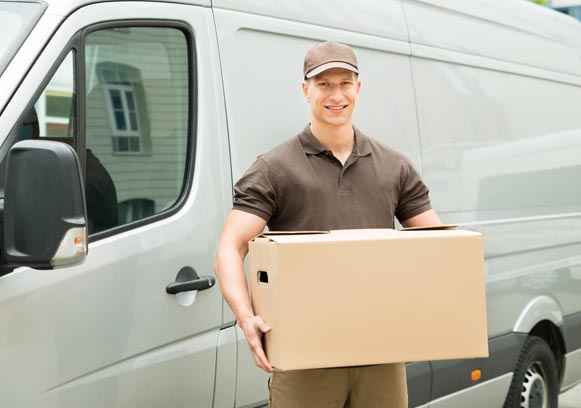
Introduction to Same-Day Delivery
Same-day delivery has become a benchmark for premium service in e-commerce and retail industries. It caters to the growing demand for immediacy and convenience among consumers.
However, the ability to execute same-day delivery effectively varies significantly depending on a region's economic status. Wealthier economies often have the infrastructure and systems in place, while lower-income regions face a myriad of challenges.
Infrastructure and Logistics Capabilities
Low- and middle-income countries frequently lack this level of development. Poor road conditions, congested urban layouts, and insufficient warehousing facilities slow down delivery times and restrict same-day service availability.
Availability of Technology
Technology plays a central role in facilitating same-day delivery. In developed economies, real-time inventory systems, AI-driven route optimization, and automated fulfillment centers are standard.
In contrast, many emerging markets operate with limited digital infrastructure. The absence of sophisticated tracking tools and warehouse management systems impedes the ability to fulfill and dispatch orders within a few hours.
Consumer Expectations
- Developed regions: Expect real-time tracking, delivery time slots, and precise ETAs
- Emerging regions: Prioritize reliability and basic access over speed
- Rural communities: Often have lower expectations due to infrastructure limitations
- Urban consumers globally are driving demand for faster delivery
Cost of Implementation
Same-day delivery is an expensive service to maintain. In wealthy economies, the cost is offset by high consumer demand and disposable income. Companies can charge premium fees or include costs in subscription models like Amazon Prime.
For developing regions, the economics of same-day delivery are more challenging. Limited demand and lower purchasing power mean that companies must absorb higher costs or risk pricing out their customers entirely.
Urban vs Rural Delivery Differences
Urban centers in high-income countries are equipped with dense logistics networks, allowing for the efficient movement of goods. Delivery services can operate from strategically located warehouses and micro-fulfillment centers to meet tight delivery windows.
Rural areas, especially in emerging markets, often suffer from weak infrastructure and difficult terrains. Delivery may take multiple days, and same-day service is typically not feasible. Even in wealthier nations, rural areas present a logistical challenge for same-day fulfillment.
Role of Local Couriers and Gig Workers
- Developed regions: Gig economy platforms like Uber Eats, Postmates, and Instacart play a key role
- Emerging regions: Informal courier networks and motorcycle taxis (boda bodas, tuk-tuks)
- High competition improves service levels and pricing in richer economies
- In developing regions, reliability varies and depends heavily on local familiarity
Fulfillment Center Proximity
Developed regions benefit from a large network of fulfillment centers strategically placed near major population hubs. This geographic proximity significantly reduces the last-mile delivery time and supports efficient same-day service.
Developing countries often lack sufficient warehousing infrastructure. Many rely on centralized hubs located far from the customer, making rapid fulfillment difficult without substantial investment in logistics networks.
Payment Systems and Integration
Payment integration affects delivery reliability and speed. In high-income countries, digital payments are seamless and often completed before the product is dispatched, facilitating faster processing.
In many developing regions, cash-on-delivery remains dominant, leading to potential delays and complications. Digital wallet adoption is rising, but system integration and security concerns remain significant barriers.
Government Regulations and Policies
In contrast, developing economies may have inconsistent regulations, poor policy enforcement, or bureaucratic hurdles that slow down innovation in delivery services. Licensing issues and restricted hours of operation in urban areas can further hinder same-day delivery efforts.
Environmental Considerations
- Same-day delivery increases carbon emissions due to fragmented logistics
- Developed countries are exploring electric fleets and carbon offsets
- Emerging economies prioritize affordability over environmental sustainability
- Bike couriers and public transport are informal eco-friendly alternatives in some regions
While speed is crucial, balancing environmental concerns is increasingly influencing the structure of delivery networks worldwide.
Adoption by Retailers and Marketplaces
Large retailers in high-income economies-such as Amazon, Walmart, and Target-have deeply integrated same-day delivery into their business models. They use predictive analytics and automation to meet customer expectations quickly.
Customer Support and Experience
Customer service plays a critical role in managing expectations and resolving delivery issues. In high-income regions, consumers demand 24/7 support, clear return policies, and accurate ETAs, all contributing to a premium experience.
In lower-income regions, customer service infrastructure is often less developed. Delivery success depends more on informal communication and personal relationships, which can either enhance or hinder the customer experience.
Innovative Models and Pilot Projects
- Drone deliveries in rural America and parts of Africa
- Mobile lockers and pick-up stations in urban China
- Blockchain for secure, trackable deliveries in South America
- AI-based demand forecasting in European cities
These innovations demonstrate how regions are experimenting with various models based on their specific challenges and opportunities.
Conclusion
In emerging regions, the model must be adapted to fit local conditions, leveraging innovation and local labor networks to bridge gaps. Understanding these regional differences is key to expanding access to fast and reliable delivery worldwide.














