
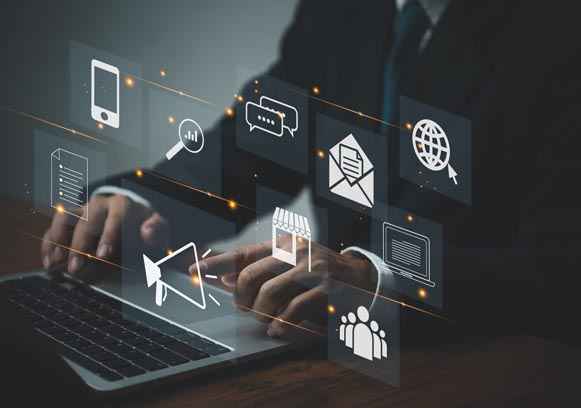
Understanding Marketing Automation
Marketing automation refers to the use of software and technology to automate repetitive marketing tasks, streamlining workflows and improving overall efficiency. It enables businesses to manage campaigns, nurture leads, and communicate with customers more effectively without the constant need for manual input. By automating routine activities, marketing teams can focus on strategy, creativity, and personalized engagement.
Ultimately, marketing automation empowers companies to grow faster and smarter by optimizing resource allocation and improving customer experiences. It serves as a vital tool in today's competitive landscape, helping marketers handle complex campaigns while saving valuable time.
How Automation Saves Time in Marketing Processes
One of the most immediate benefits of marketing automation is its ability to drastically reduce the time spent on repetitive and administrative tasks. Activities like sending emails, posting on social media, and segmenting audiences can all be scheduled and triggered automatically. This eliminates the need for marketers to manually execute each step, freeing up hours every week.
Automated workflows ensure that leads and customers receive timely and consistent communication without delay. For example, welcome emails, follow-ups, and re-engagement messages can be automatically triggered based on user behavior, saving marketers from constantly monitoring and sending individual messages. This kind of automation also reduces the risk of human error, ensuring that communications are sent exactly when intended.
Time-Saving Examples of Marketing Automation
Email drip campaigns: Automatically sending a sequence of emails based on subscriber actions.Social media scheduling: Planning and posting content ahead of time across multiple platforms.Lead scoring and nurturing: Automatically prioritizing and engaging leads based on behavior and demographics.Data integration: Syncing customer data from multiple sources for unified insights.
Boosting Efficiency Through Automated Personalization
Efficiency isn't just about doing things faster; it's also about doing them better. Marketing automation allows businesses to deliver highly personalized experiences at scale, improving engagement without increasing workload. Automated segmentation and targeting ensure that the right message reaches the right audience at the right time.
Additionally, automated personalization improves cross-channel consistency. Customers receive coherent messages across email, social media, and web interactions, strengthening brand identity and trust. By streamlining these processes, teams can focus on creative strategy rather than manual customization.
Ways to Implement Personalized Automation
Dynamic email content: Personalizing subject lines and body text based on user data.Behavior-triggered messaging: Sending offers or reminders based on browsing or purchase actions.Automated product recommendations: Suggesting items tailored to customer preferences.Customized landing pages: Displaying relevant offers or content depending on visitor segments.
Reducing Errors and Increasing Consistency
This consistency is critical for building trust and credibility with your audience. When communications are timely, relevant, and uniform, customers perceive the brand as reliable and professional. Automation guarantees that even complex campaigns with multiple touchpoints maintain a high level of quality and coherence.
Moreover, automated testing and optimization features allow marketers to experiment with different messaging and delivery times systematically. This reduces guesswork and helps refine campaigns with data-backed decisions, further enhancing efficiency and results.
Key Benefits of Reduced Errors and Consistency
Less manual oversight: Automated checks reduce the need for constant supervision.Standardized branding: Ensures uniform voice and visuals across channels.Minimized risk of mistakes: Avoids accidental sends or incorrect targeting.Better testing processes: Systematic A/B tests improve campaign effectiveness.
Scaling Your Marketing Efforts Without Increasing Headcount
This scalability means businesses can reach wider audiences, nurture more prospects, and manage complex campaigns with limited resources. It also accelerates campaign deployment, enabling companies to respond quickly to market changes and customer needs. Automated segmentation, scheduling, and analytics give teams the bandwidth to focus on strategy and creative work rather than operational details.
As a result, marketing departments can become leaner, smarter, and more agile-key advantages in competitive markets. Automation effectively multiplies the capacity of your team without adding overhead, supporting sustained growth.
How Automation Supports Scaling
Manage multiple campaigns simultaneously: Automate scheduling and delivery.Handle large volumes of leads: Automatically score and segment for prioritization.Optimize workflows: Eliminate bottlenecks with automated task assignments.Real-time analytics: Quickly assess campaign performance and adjust tactics.
Conclusion
The benefits extend beyond operational efficiency-automation enhances the customer experience through timely, relevant, and personalized messaging that fosters engagement and loyalty. As technology continues to advance, embracing marketing automation is no longer optional but essential for businesses aiming to grow and compete in today's fast-paced digital world.














