
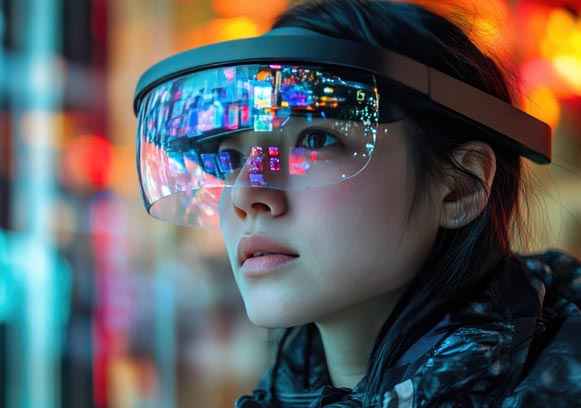
Boosting Consumer Confidence with Visualization
In sectors like fashion and eyewear, virtual try-on solutions allow users to upload images or use live video to "wear" products. Similarly, furniture and home décor brands utilize AR tools that project items into users' real surroundings via smartphones or tablets. This realism helps consumers ensure compatibility with their style and needs before committing to a buy.
Beyond individual products, AR experiences can showcase entire collections or environments. For instance, customers can walk through virtual showrooms or visualize kitchen renovations using overlays. These enhanced perspectives make the process of online shopping feel less risky and more engaging, boosting both satisfaction and conversion rates.
Reducing Return Rates and Customer Dissatisfaction
This is particularly useful for complex or size-sensitive items such as appliances, furniture, and fashion accessories. When customers can gauge how something will fit in their home or look on their body, they make more informed decisions. That leads to a better alignment between expectation and reality.
In addition to minimizing logistical costs associated with returns, AR can positively affect brand perception. A reduced return rate signals that a brand is trustworthy, transparent, and committed to delivering value. This perception strengthens customer loyalty and encourages repeat purchases over time.
AR-Driven Engagement and Brand Differentiation
Augmented reality isn't just a practical tool; it's also a highly engaging technology that captures customer attention and makes brands stand out. Shoppers are increasingly drawn to interactive experiences that feel fresh and innovative. By incorporating AR, e-commerce businesses can elevate their digital presence and provide memorable shopping experiences that differentiate them from competitors.
Furthermore, AR content is highly shareable. When customers enjoy their AR experiences, they are more likely to post them on social media, expanding a brand's reach organically. This viral potential can generate buzz, build excitement, and attract new audiences without the need for significant ad spending.
Popular Uses of AR in Online Retail
Virtual Try-Ons: Customers can visualize how clothing, shoes, glasses, or accessories will look on their body using device cameras or uploaded images.Room and Space Planning: AR apps let users place virtual furniture, décor, and appliances in their actual living spaces for accurate spatial fitting.Beauty and Skincare Testing: Consumers can preview how different makeup shades or skincare effects would look on their face in real-time.Interactive Packaging: Some products use AR-enabled packaging that activates animations or tutorials when scanned by an app.Virtual Showrooms: Retailers offer fully interactive environments where users can walk through collections or simulate product usage scenarios.
Challenges and Limitations of AR in E-Commerce
In addition, user accessibility can pose a hurdle. Not all shoppers have devices compatible with AR technology or stable internet connections to support smooth performance. This restricts reach, especially in developing markets or among less tech-savvy demographics. Businesses must ensure that their AR experiences are intuitive, lightweight, and inclusive.
Another limitation is the accuracy of AR rendering. Despite advancements, some applications still struggle with scale, lighting, or positioning, which can lead to misleading visuals. If users perceive AR content as inaccurate or gimmicky, it can have the opposite effect and damage trust. Therefore, maintaining precision and consistency is critical for successful implementation.
Impact on Purchase Decision-Making
For high-investment or high-involvement items, the ability to "experience" the product before buying creates a sense of ownership and builds emotional connection. This psychological effect can dramatically boost conversion rates, particularly when paired with social proof elements like reviews or influencer endorsements.
AR also empowers customers to compare options more effectively. When shoppers can test various colors, sizes, or configurations instantly, they are better equipped to make confident choices. This autonomy enhances satisfaction and increases the chances of customer retention.
The integration of AR into e-commerce aligns with the broader trend of experiential retail. Consumers no longer want to just shop-they want to explore, interact, and enjoy the process. AR supports this shift by making shopping entertaining and empowering rather than transactional and impersonal.
Future Potential and Innovations in AR Commerce
AI-Enhanced AR Experiences: The fusion of AR and artificial intelligence will allow even more personalized and intelligent product previews, adapting in real-time to user behavior.Wearable AR Devices: Innovations like AR glasses could allow hands-free shopping experiences, where users visualize products while walking through their homes or stores.Augmented Reality Search Engines: Future search engines may include AR interfaces, letting users point their camera at an object and receive instant buying options or style suggestions.Multi-User AR Shopping: Group AR experiences could enable collaborative shopping, where friends or family members join virtual sessions to give feedback or shop together.Blockchain Integration: Merging AR with blockchain could improve product authentication, traceability, and secure sharing of AR content, especially for luxury and resale markets.














