Posted By Dave Ledoux
Posted On 2026-06-30
Energy Innovators Leading the Clean Revolution
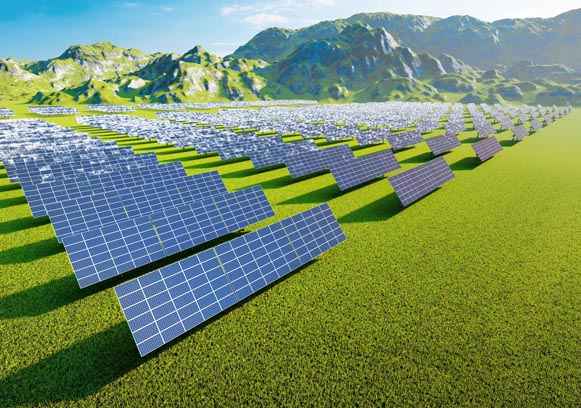
One of the most critical sectors for sustainability is energy, where startups are driving the shift from fossil fuels to renewable sources. These companies innovate in solar, wind, energy storage, and smart grid technologies, enabling cleaner, more efficient power generation and distribution.
A notable example is Solar Sister, an African startup empowering women entrepreneurs to distribute solar energy products in rural communities. By combining clean energy access with social empowerment, Solar Sister addresses energy poverty and gender inequality simultaneously.
In Europe, Northvolt is revolutionizing battery manufacturing with a focus on sustainable sourcing and recycling, aiming to reduce the environmental impact of electric vehicles and energy storage solutions. Their approach integrates circular economy principles to minimize resource depletion.
Startups like Power Ledger in Australia use blockchain technology to create peer-to-peer energy trading platforms, enabling consumers to buy and sell renewable energy locally. This innovation decentralizes energy markets and incentivizes renewable adoption.
Circular Economy Pioneers
Circular economy models are essential to reducing waste and extending product lifecycles. Many startups around the world embrace this by designing products for reuse, repair, and recycling, or by creating platforms that promote sharing and reselling.
One standout is Loop, a global initiative led by TerraCycle, which partners with major brands to offer products in reusable packaging. Customers return containers that are cleaned and refilled, drastically cutting single-use plastic waste.
In India, Chakr Innovation developed a device that captures toxic emissions from diesel generators and converts the pollutants into ink, a circular approach turning pollution into a usable product.
Meanwhile, Vigga.us in Denmark operates a subscription service for maternity and children's clothing, where garments are exchanged as children grow, reducing textile waste and supporting sustainable fashion.
Key Features of Circular Economy Startups
- Design for durability and repair: Startups focus on products that last longer and can be fixed easily.
- Material recovery and recycling: They create closed-loop systems to reclaim materials after use.
- Sharing and rental platforms: Reducing ownership and promoting access over possession.
- Innovative packaging solutions: Using biodegradable or reusable materials to replace disposables.
Agriculture and Food Sustainability
Food systems contribute significantly to environmental degradation, and sustainable startups are innovating to reduce this impact by enhancing efficiency, promoting organic practices, and reducing food waste.
Infarm, a Berlin-based startup, deploys modular vertical farms inside supermarkets and restaurants, reducing food miles and enabling fresh produce year-round. Their technology integrates IoT sensors and AI to optimize plant growth while minimizing water and energy use.
Another innovative company, Too Good To Go, tackles food waste by connecting consumers with restaurants and stores that have surplus food. Through their app, users buy unsold food at discounted prices, helping to reduce landfill waste and greenhouse gas emissions.
Farmcrowdy in Nigeria uses digital platforms to connect smallholder farmers with investors, providing funding and technical support to improve yields and promote sustainable farming methods. This empowers rural farmers and supports food security.
Water Conservation and Management
Water scarcity is a growing global concern, and startups focusing on water efficiency, purification, and management are vital to sustainable development.
Zero Mass Water produces solar-powered devices that extract clean drinking water from the atmosphere, providing off-grid communities with sustainable water access. Their technology addresses both water scarcity and energy efficiency.
Dropcountr uses data analytics to help utilities and consumers track water usage, identify leaks, and promote conservation behaviors. This technology-driven approach helps cities manage water resources more sustainably.
In India, Em3 AgriServices develops affordable irrigation solutions using renewable energy, enabling farmers to optimize water use and reduce dependence on erratic monsoons, thus fostering resilient agriculture.
Water Startup Strategies
- Decentralized water generation and purification: Bringing clean water directly to communities.
- Smart monitoring systems: Utilizing IoT and AI for efficient water management.
- Affordable irrigation tech: Empowering farmers with water-saving tools.
- Community engagement: Raising awareness and encouraging water-saving habits.
Tech-Driven Environmental Solutions
Technological innovation is key in addressing complex environmental challenges. Many startups harness big data, AI, and blockchain to improve environmental monitoring, traceability, and resource management.
Climate Corp uses data analytics and machine learning to provide farmers with actionable insights that optimize crop yields while reducing environmental impacts. Their platform helps in sustainable decision-making by predicting weather and soil conditions.
Provenance is a UK-based startup leveraging blockchain to create transparency in supply chains. Consumers can verify the sustainability credentials of products, enhancing trust and incentivizing ethical sourcing.
Winnow develops AI-powered kitchen technology that helps commercial kitchens track and reduce food waste. Their systems analyze waste patterns and provide recommendations to improve efficiency and reduce costs.
Orbital Insight employs satellite imagery and AI to monitor environmental changes and industrial activity worldwide, supporting policymakers and businesses in sustainability efforts.
Impact on Communities and Policy
Sustainable startups also influence social and policy domains by driving community development, creating green jobs, and shaping regulatory frameworks.
BURN Manufacturing in Kenya produces energy-efficient cookstoves, reducing harmful emissions and deforestation while empowering local manufacturing and job creation. Their impact extends beyond the environment into health and economic upliftment.
OLIO, a UK-based app, connects neighbors and local businesses to share surplus food and goods, fostering community engagement and waste reduction. This model supports local economies and strengthens social ties.
Many startups actively collaborate with governments to pilot innovative solutions aligned with climate policies. This partnership approach helps scale successful initiatives and informs future regulatory developments.
Their combined efforts demonstrate how entrepreneurial innovation, social impact, and supportive policy environments create a virtuous cycle for sustainable development worldwide.
In summary, sustainable startups around the world are driving meaningful change by blending innovation, social purpose, and environmental stewardship. Their diverse approaches - spanning energy, circular economy, agriculture, water, and technology - offer blueprints for future business models that can thrive while protecting our planet. As these startups grow and inspire others, they bring hope for a more sustainable and equitable global economy.