
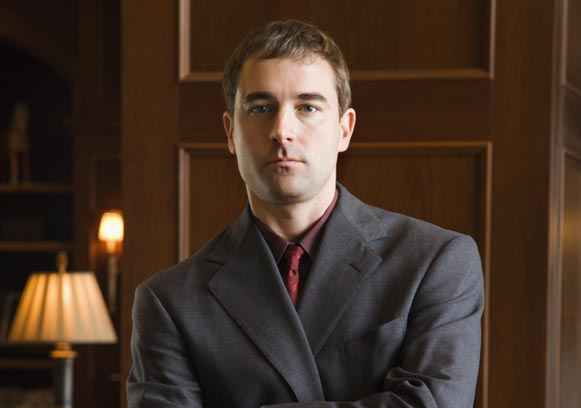
Howard Schultz: From Housing Projects to Starbucks Empire
Howard Schultz didn't inherit a family business or show early signs of entrepreneurial genius. He grew up in a housing project in Brooklyn, raised by working-class parents with no business connections. His father was a truck driver who struggled to hold jobs, and his mother never completed school. In fact, Schultz often says that watching his father's struggles deeply influenced his mission to build a more humane business model.
What makes Schultz's story remarkable is not his initial vision, but his ability to develop that vision over time. He studied customer behavior, refined his leadership skills, and cultivated emotional intelligence-none of which were traits he was “born” with. His story illustrates how environment, reflection, and persistence can mold an ordinary individual into an extraordinary founder.
Entrepreneurs Who Reinvented Themselves Later in Life (5 Paragraphs)
Many people believe there's a narrow window-often in one's 20s-to launch a startup. Yet biographies of later-stage entrepreneurs prove that entrepreneurial capacity doesn't expire with age.
These stories prove that entrepreneurship can be a second, third, or even fourth act in life. It's not about how early you start, but how intentionally you prepare, adapt, and execute when your moment comes. Their lives speak to the possibility of entrepreneurship at any age.
Most importantly, these individuals succeeded not by being ahead of the curve from birth, but by learning from life's detours. They made a choice to stop waiting and start creating, regardless of how unconventional their timing appeared.
Self-Taught Innovators Who Came from Nothing
Jan Koum: Raised in a small Ukrainian village, Koum immigrated to the U.S. and lived on food stamps. He taught himself programming and co-founded WhatsApp, later selling it to Facebook for $19 billion.Do Won Chang: The founder of Forever 21 worked as a janitor, gas station attendant, and in coffee shops before building a fashion retail empire with his wife.Daymond John: Founder of FUBU, John began by sewing hats and shirts in his mother's house. He learned business fundamentals through trial and error, eventually becoming a Shark Tank investor.Joy Mangano: A single mother and waitress, Mangano invented the Miracle Mop and built a multi-million dollar product line from scratch, later featured in the film "Joy."Hamdi Ulukaya: The Turkish immigrant founded Chobani yogurt after taking a loan to buy a defunct yogurt plant. He knew little about food manufacturing, but outlearned his competitors rapidly.
Lessons from Biographies That Challenge the Myth (4 Paragraphs)
Second, biographies show that
Third,
Lastly, many of these biographies highlight the power of
Conclusion: Inspiration Is Earned, Not Inherited
Entrepreneurship is less about having the right DNA and more about cultivating the right decisions, habits, and beliefs over time. The most transformative entrepreneurs are those who choose to become something greater than their past. Their lives remind us that entrepreneurship is not destiny-it's discipline.
If you're someone who has ever doubted your potential because you didn't start young, didn't have connections, or didn't feel “born for it,” remember this:














