
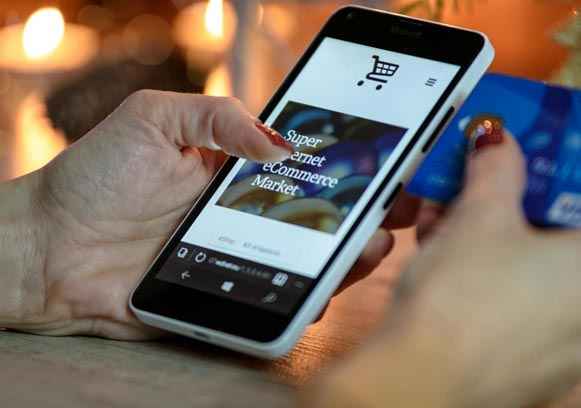
The Evolution of Consumer Expectations
Today's consumers don't distinguish between online and offline shopping the way they once did. They want seamless experiences, personalized recommendations, and convenience. Whether they're browsing on a phone or walking through a store, they expect fast, relevant service.
This evolution isn't a threat-it's an invitation. Retailers can now engage customers at every touchpoint, offering richer experiences and deeper brand loyalty. E-commerce tools empower retailers to understand and serve customers in ways that were never before possible.
Physical Retail Still Has a Powerful Role
Despite the surge in online shopping, physical retail remains vital. Brick-and-mortar stores offer tactile experiences, immediate product access, and personal interaction that e-commerce can't fully replicate. The in-store environment is a branding opportunity that creates emotional connections and loyalty.
Technology Is Redefining the Store Experience
Smart mirrors, augmented reality, mobile checkout, and real-time inventory access are enhancing physical retail. These tools streamline shopping while adding entertainment and interactivity. Rather than replacing stores, technology enhances them.
Retailers can use data from online behavior to curate in-store experiences. A customer's purchase history, preferences, and social media activity can inform displays, promotions, and personal recommendations, making each visit uniquely relevant.
Hybrid Models Are the Future
Click-and-Collect Services: Allow customers to purchase online and pick up in-store for convenience and immediacy.Showrooms: Some retailers use physical stores purely as display centers where customers can try products before ordering online.Pop-Up Experiences: Temporary, themed locations let brands test markets and engage consumers in new ways.
Data-Driven Retail is Smarter Retail
But the power of data isn't limited to online. Smart retailers are integrating data from all sources-online, in-store, mobile apps-to create a 360-degree view of their customers. This holistic perspective allows for precise, effective decisions that drive profitability and loyalty.
Personalization Enhances Every Channel
From personalized emails to curated product recommendations, today's shoppers expect experiences tailored to their tastes. E-commerce enables this on a massive scale. But personalization can also enhance physical retail through clienteling and in-store technology.
By integrating online behavior with in-store service, retailers can deliver unified personalization. For instance, a customer who browsed a certain product online might receive a discount on it during their next store visit. This kind of thoughtful personalization builds trust and drives repeat business.
The Power of Community in the Digital Age
Retailers that foster community can amplify engagement and differentiate themselves in crowded markets. Loyalty programs, forums, and virtual events bring people together around shared values, creating an emotional bond that transcends transactions.
Retail is Becoming Borderless
Global Reach: E-commerce platforms enable even small retailers to sell internationally, breaking geographical boundaries.Cross-Cultural Appeal: Brands can tailor their messaging and offerings to different regions while maintaining a consistent core identity.Logistics Innovation: Advances in global shipping and payment infrastructure make international retail more accessible and efficient.
Supply Chain and Fulfillment are Key Differentiators
Behind every successful e-commerce strategy is an efficient, flexible supply chain. Fast shipping, real-time tracking, and reliable delivery can make or break the customer experience. Retailers are now investing heavily in fulfillment centers, last-mile delivery, and automation.
Small Businesses Can Thrive Online
E-commerce levels the playing field for small retailers. Marketplaces like Etsy, Shopify, and Amazon allow entrepreneurs to reach vast audiences without massive overhead costs. With creativity, authenticity, and strong storytelling, small brands can compete-and win-online.
What's more, e-commerce gives small businesses access to tools once reserved for large corporations, like automated marketing, customer segmentation, and A/B testing. The barrier to entry is lower, and the opportunity is greater than ever before.
In-Store Retail as an Extension of the Brand
Retailers must now see physical stores as an expression of brand identity, not just a sales channel. Store design, atmosphere, and service quality reflect brand values and leave lasting impressions. In a digitally saturated world, physical presence feels more meaningful than ever.
The Role of Artificial Intelligence in Retail
Customer Insights: AI analyzes behavior and predicts future preferences, enabling hyper-personalized experiences.Inventory Management: Predictive algorithms help stock the right products in the right places at the right time.Chatbots & Support: AI-driven assistants offer instant, 24/7 customer service across platforms.
Sustainability as a Competitive Advantage
Modern consumers care deeply about sustainability, and e-commerce has unique potential to meet these expectations. From carbon-neutral shipping to recyclable packaging and ethical sourcing, brands can build trust and loyalty through transparency and responsibility.
Retailers who prioritize sustainability in both digital and physical channels stand out in an increasingly values-driven market. It's not just a moral imperative-it's a business opportunity.
Social Commerce is Redefining the Shopping Journey














