
Introduction to Fulfillment Models
Choosing the right fulfillment model is one of the most pivotal decisions for an e-commerce entrepreneur. The two most common approaches-dropshipping and warehousing-each come with unique advantages and challenges. Understanding how they impact operations, profitability, and scalability is essential for long-term success.
In this article, we explore both models in depth, analyze the pros and cons, and help you determine which option aligns best with your business goals. Making the right choice will influence everything from cash flow to customer satisfaction.
What is Dropshipping?
For many entrepreneurs, especially those just starting out, dropshipping offers a low-risk entry into e-commerce. It reduces overhead costs and simplifies the logistics chain, allowing the seller to focus on marketing and customer acquisition.
What is Warehousing?
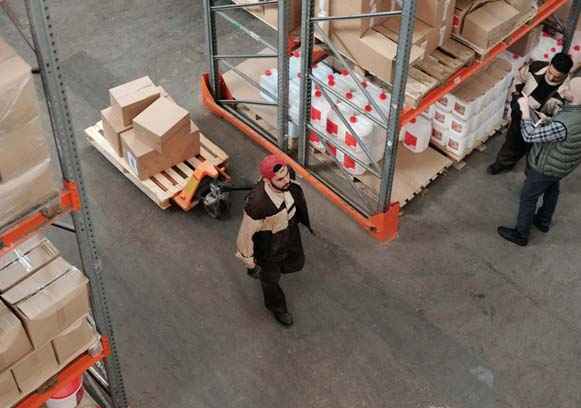
Warehousing, or traditional inventory-based fulfillment, involves storing products in a physical space owned or rented by the seller. When a customer places an order, the business picks, packs, and ships the product directly from its warehouse or fulfillment center.
This model provides greater control over inventory, shipping times, and quality assurance. It is often preferred by established brands that require faster fulfillment, branded packaging, or custom handling procedures.
Advantages of Dropshipping
Low Startup Costs: No need for inventory investment or warehouse space.Scalability: Easily test new products without bulk purchasing.Less Operational Overhead: Focus more on marketing and customer service.Remote-Friendly: Run the business from anywhere with internet access.
Advantages of Warehousing
Additionally, warehousing enables bulk purchasing, which often reduces unit costs. For high-demand or seasonal products, this can enhance profit margins and prevent stockouts during peak times.
Disadvantages of Dropshipping
Despite its low barrier to entry, dropshipping comes with notable challenges. Chief among them is the lack of control over inventory and shipping. Since third-party suppliers handle fulfillment, delays, stockouts, and product quality issues can occur without your immediate knowledge.
Moreover, dropshipping often results in lower profit margins due to higher product costs and intense competition. Custom branding is usually not an option, which makes it harder to differentiate your store from others selling the same items.
Disadvantages of Warehousing
High Upfront Costs: Inventory, storage, and staff expenses can be significant.Complex Logistics: Requires systems for inventory management, order tracking, and returns.Risk of Overstocking: Unsold inventory can lead to cash flow problems.Requires Space: Physical warehousing isn't always scalable for small teams.
Profitability Comparison
Warehousing, on the other hand, allows businesses to purchase products in bulk at a lower cost per unit. Despite higher operational costs, the increased control and better pricing typically yield higher margins when managed efficiently.
Customer Experience Factors
Customer satisfaction is a key metric for e-commerce success. In dropshipping, inconsistent shipping times, generic packaging, and difficulty in handling returns can impact the customer experience negatively. Since sellers rely on third parties, any mistake made by the supplier reflects poorly on the business.
Warehousing offers better opportunities for branded experiences. Custom packaging, fast delivery, and streamlined return processes contribute to building customer trust and loyalty. These features are vital for long-term growth and repeat business.
Scalability Considerations
Dropshipping: Easily scalable but limited by supplier reliability and communication gaps.Warehousing: Scalable with investment in systems and staff; allows for brand control.Hybrid Options: Combining models can support phased growth and flexibility.Technology Use: Tools like inventory management systems are crucial for scaling both models.
Marketing and Brand Control
With warehousing, sellers have greater freedom to express their brand through packaging, inserts, and delivery experience. This physical touchpoint can reinforce brand identity and contribute to long-term brand equity.
Returns and Customer Support
Handling returns in dropshipping can be a logistical nightmare. Since the seller doesn't manage inventory directly, coordinating returns and refunds becomes more complex. This often leads to delays and dissatisfied customers.
In contrast, warehousing allows sellers to control the entire returns process. With a streamlined return policy and direct handling of merchandise, the customer experience is generally smoother and more transparent.
Risk Management
Risk tolerance is another key consideration. Dropshipping minimizes financial risk but increases reputational risk due to third-party dependency. Sellers need to carefully vet suppliers and set clear communication protocols to mitigate fulfillment issues.
Which Model Is Right for You?
Beginner or Low Capital: Dropshipping is ideal for testing the waters without heavy investment.Established Brand: Warehousing supports growth and customer experience more effectively.Hybrid Approach: Start with dropshipping and transition to warehousing as your business scales.Evaluate Goals: Your business goals and resources will determine the best path.
Conclusion: Making the Right Fulfillment Choice
Both dropshipping and warehousing offer viable paths to e-commerce success. Your choice will depend on factors such as budget, business goals, target market, and risk tolerance. While dropshipping allows quick and inexpensive entry into e-commerce, warehousing offers greater control, branding opportunities, and long-term scalability.














