
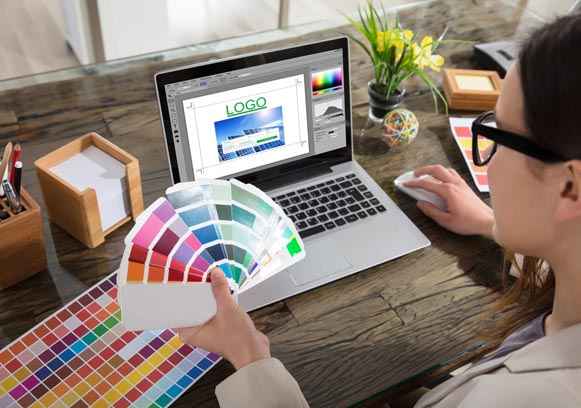
The Importance of a Logo in Business Identity
A logo serves as the visual cornerstone of your business's identity. It is often the first thing customers notice and remember about your company. Because of this, your logo carries a tremendous amount of weight in shaping first impressions and establishing brand recognition.
Investing time and resources into designing a logo that truly reflects your brand identity sets the tone for customer expectations and builds trust. A well-crafted logo communicates professionalism and helps differentiate your business from competitors.
Key Reasons a Logo Matters
- Creates instant brand recognition and recall.
- Conveys your business's personality and values visually.
- Builds trust and professionalism with your audience.
- Provides consistency across marketing channels.
- Sets your business apart in crowded markets.
Elements of an Effective Logo Design
Designing an effective logo requires more than creativity; it demands thoughtful consideration of several key elements that work together to create a cohesive and memorable mark. The combination of these elements ensures your logo is versatile, timeless, and meaningful.
Typography also plays a crucial role. The style of fonts you select contributes to the tone of your brand-whether it's modern, classic, playful, or formal. Additionally, the shape and layout of the logo should balance aesthetics with functionality, ensuring it looks good in various sizes and applications.
Crucial Components for Logo Success
Simplicity: Easy to recognize and remember.Relevance: Reflects your industry and brand values.Scalability: Looks good at any size, from business cards to billboards.Uniqueness: Distinctive enough to avoid confusion.Timelessness: Remains effective despite changing design trends.
The Process of Designing a Logo
Next comes the exploration phase, where multiple concepts and ideas are sketched out. Designers often start with black-and-white drafts to focus on shape and form before adding color. This iterative process allows refinement of ideas to ensure clarity and impact.
After narrowing down the options, finalizing the logo includes testing its versatility in various contexts, such as websites, social media, packaging, and signage. Gathering feedback from stakeholders and potential customers helps ensure the logo resonates well.
Steps in Logo Creation
- Research your industry, competitors, and audience.
- Brainstorm and sketch multiple design concepts.
- Create digital drafts focusing on simplicity and clarity.
- Test logo versatility in different sizes and mediums.
- Refine based on feedback and finalize the design.
Common Logo Design Mistakes to Avoid
Another frequent mistake is copying trends blindly without considering longevity. A trendy logo may look modern today but quickly feel outdated, forcing costly redesigns. It's important to strive for a timeless design that will serve your brand well for years.
Finally, neglecting how the logo appears in different contexts or sizes can hurt its effectiveness. A logo must be versatile enough to work on small mobile screens, large print banners, or monochrome backgrounds without losing clarity.
Typical Pitfalls in Logo Design
- Using too many colors or overly complex graphics.
- Following short-lived design trends instead of timeless principles.
- Failing to test logo visibility across various platforms.
- Ignoring brand identity and creating generic designs.
- Not seeking feedback or professional input during design.
How Your Logo Shapes Customer Perception and Trust
People naturally associate logos with emotions and values. For example, a sleek, modern logo might convey innovation and cutting-edge solutions, while a warm, handcrafted design may suggest care and authenticity. These subconscious cues influence purchasing decisions and brand loyalty.
Moreover, consistent use of your logo across all customer touchpoints reinforces brand recognition. The more familiar your audience is with your logo, the more likely they are to choose your business over unfamiliar competitors.
Ways Logos Influence Customer Trust
- Instantly communicates professionalism and legitimacy.
- Builds emotional connections through design elements.
- Reinforces brand consistency across channels.
- Enhances memorability and recall in competitive markets.
- Supports premium pricing by signaling quality.
Conclusion: Treat Your Logo as Your Business's Face
By understanding the importance of color, typography, simplicity, and versatility, you can create a logo that serves your business for years to come. Avoid common design pitfalls by focusing on timeless principles and aligning the logo with your brand's core values.
Ultimately, investing in a strong logo design is investing in the success and credibility of your business. Treat it as your business's face-the first impression that opens doors and builds lasting relationships.














