
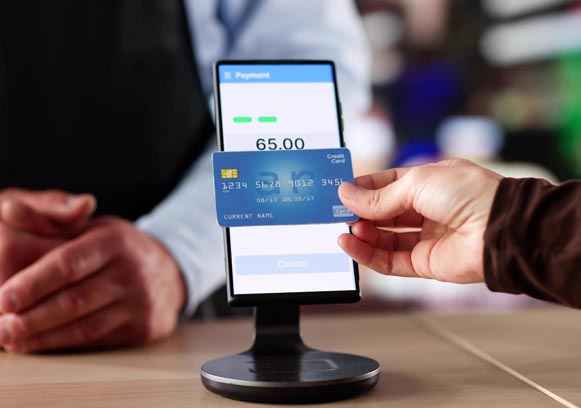
What Are Contactless Payments?
Contactless payments are transactions made using technology that allows devices like cards, smartphones, or wearables to complete payments without physical contact with a payment terminal. Instead of inserting or swiping a card, users simply wave or tap their device near a compatible reader to complete the transaction within seconds.
Contactless payment methods include debit and credit cards equipped with NFC chips, mobile wallets like Apple Pay and Google Pay, QR code-based payments, and even smartwatches or fitness trackers. Each method adds a layer of convenience while adhering to evolving security standards set by financial institutions and card networks.
The Surge in Global Adoption
In the last decade, global usage of contactless payments has grown at an unprecedented rate. One major catalyst was the COVID-19 pandemic, which made touch-free transactions not just a convenience, but a necessity. Consumers around the world rapidly shifted away from cash to avoid physical contact and potential virus transmission.
Countries like the UK, Canada, and Australia saw contactless transaction limits raised by governments to facilitate higher-value purchases using tap-and-go methods. This change encouraged both retailers and customers to embrace the technology more broadly and quickly than previously anticipated.
In the U.S., which lagged behind initially, adoption has rapidly picked up pace, with many major retailers, transit systems, and banks now offering full support. It is clear that the global surge is not a passing phase, but a sign of changing consumer expectations in the digital age.
Benefits of Contactless Payments
The convenience of contactless payments stands out as a primary advantage. Transactions are faster, reducing long queues at stores and minimizing customer frustration. Shoppers can simply tap their card or phone, and payment is complete in seconds without the need for entering a PIN.
Hygiene is another strong benefit, especially in a post-pandemic world. Since there is no need to touch the terminal or exchange cash, both customers and staff are exposed to fewer contact surfaces, enhancing safety and comfort during transactions.
Moreover, for businesses, contactless payments often lead to increased sales volume. The ease of use encourages impulse buying and repeat transactions, while also speeding up the checkout process to serve more customers within the same timeframe.
Key Technologies Powering Contactless Systems
NFC (Near Field Communication) is the core technology that enables most contactless card and mobile wallet payments. It allows short-range wireless communication between the payment device and the terminal, ensuring secure and instantaneous data exchange.
EMV (Europay, MasterCard, and Visa) standards are also essential to contactless systems, offering global interoperability and security protocols. These standards ensure encrypted, tokenized data is exchanged, which greatly reduces the risk of fraud.
Additionally, cloud-based APIs and real-time transaction networks enable seamless integration of contactless systems with POS systems, banking platforms, and digital receipts. These backend components are vital to the overall ecosystem.
Challenges Facing Contactless Payment Growth
Security Concerns: Despite encryption, users often fear unauthorized transactions or card skimming due to the nature of tap-and-go.Infrastructure Gaps: In many regions, especially rural or underdeveloped markets, the required POS systems or NFC readers are not readily available.User Resistance: Older populations or those less tech-savvy may hesitate to adopt these methods due to lack of trust or understanding.Transaction Limits: Many countries still cap contactless transactions to low values, limiting their usefulness for larger purchases.Privacy Concerns: Some consumers fear digital tracking of their spending habits by corporations or third parties.
Industries Embracing Contactless Transactions
Retail: Supermarkets, convenience stores, and fashion retailers have rapidly adopted contactless POS systems for speed and customer satisfaction.Hospitality: Restaurants, hotels, and cafés use mobile wallets and QR codes to offer seamless bill payments.Transportation: Cities implement tap-to-pay systems in buses, trains, and toll booths to replace paper tickets and coins.Healthcare: Clinics and pharmacies have started using contactless payments to reduce infection risk during checkouts.Entertainment: Movie theaters, amusement parks, and event venues now support mobile payments for faster entry and purchases.
Security Measures and Trust Building
Most contactless systems also require biometric authentication-like facial recognition or fingerprints-for higher-value transactions on mobile wallets. These tools add a level of personalization and security unmatched by physical PINs.
Banks frequently monitor accounts for suspicious activity and provide zero-liability policies for unauthorized transactions. These safety nets give customers peace of mind and reduce hesitation when trying new payment technologies.
Continuous education campaigns are also essential. When consumers are informed about the technologies protecting their finances, they are more likely to adopt and trust them in the long run.
As trust builds and technology evolves, we can expect even more secure and user-friendly solutions to emerge. The financial ecosystem must remain agile to address new threats while ensuring convenience is never compromised.
The Future of Contactless Payments
Innovations like biometric wearables, voice-activated payments, and AI-driven fraud detection will further streamline and secure the user experience. Financial institutions will need to adapt swiftly to these changes and invest in scalable infrastructure.
Governments may also play a role by supporting digital payment initiatives, regulating security standards, and ensuring inclusivity across demographic groups. Ensuring that all citizens-regardless of age or location-can access contactless options will be key to achieving full adoption.














