
Understanding Deep Innovation vs. Surface-Level Change
In contrast, surface-level changes tend to focus on incremental or cosmetic improvements. These might include packaging redesigns, minor UI updates, or seasonal campaigns. While valuable in their own way, they rarely move the needle in terms of long-term brand evolution or competitive differentiation.
Apple: Consistent Transformation Through Ecosystem Thinking
Apple's rise from near-bankruptcy in the late 1990s to becoming the world's most valuable company is a masterclass in deep innovation. The company didn't just create a product-it created an ecosystem. From the iPod and iTunes to the iPhone, iCloud, and App Store, Apple redefined how we consume music, communicate, and work.
Each major product launch was more than a hardware release-it was part of a larger, tightly integrated system. This approach allowed Apple to control quality, user experience, and brand perception in ways few companies could replicate. Deep innovation at Apple meant thinking beyond devices and into customer behavior and ecosystems.
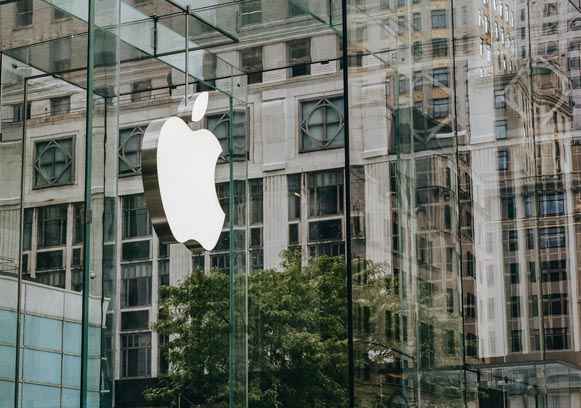
Internally, Apple also innovated on design philosophy, supply chain logistics, and retail experience. Its stores became architectural landmarks and immersive sales environments. Its focus on vertical integration allowed for faster innovation cycles and seamless software-hardware integration-key elements in maintaining customer loyalty and premium pricing.
Netflix: Reinventing Itself Through Data and Technology
Once it had established a dominant position in streaming, Netflix didn't stop. It moved into original content creation with the same intensity, essentially transforming itself from a content distributor to a media production powerhouse. “House of Cards” was a calculated bet using viewer analytics-a blend of art and algorithm that set the tone for future projects.
Netflix's innovation extended to compression algorithms, recommendation engines, and multi-device access. They made it easy and intuitive to consume content anywhere, on any device, with minimal buffering. Each improvement was a strategic move rooted in behavioral insights and technological foresight-hallmarks of deep innovation.
Amazon: Building from Convenience to Infrastructure Powerhouse
Start: Amazon began as an online bookstore but quickly expanded into multiple categories by using its logistics network as a core differentiator.Prime: Amazon Prime created a loyalty loop, combining fast shipping with exclusive content and benefits-changing consumer expectations forever.AWS: With Amazon Web Services, the company tapped into a completely different market-cloud computing-now its largest profit center.Alexa: With smart home innovations like Alexa, Amazon invested in voice AI before it was mainstream, integrating commerce and control.Logistics Automation: Amazon's investment in AI-driven warehouses, drones, and last-mile delivery robotics keeps its competitive edge razor sharp.
Tesla: Breaking Conventions in Automotive and Energy
Beyond vehicles, Tesla's innovation includes battery technology, solar energy products, and full self-driving capabilities. Its vertical integration-from battery production to charging networks-ensures end-to-end control over the customer experience. Tesla also innovated in sales by skipping dealerships and selling directly online, disrupting long-standing distribution models.
Internally, Tesla is constantly experimenting with manufacturing processes, AI-driven driving data, and software updates delivered over-the-air. Each of these innovations challenges the status quo and contributes to a radically different business model than traditional automakers. Tesla's growth is a clear result of relentless, multi-dimensional deep innovation.
Spotify: Personalized Soundscapes through AI
Spotify's innovation wasn't just about music curation-it extended into how people share music, interact socially, and explore new artists. Their acquisition of podcasting platforms and tools like Anchor positioned them as leaders not just in music but in audio content creation and distribution at large.
Their recommendation engine became a signature innovation, constantly learning and adapting to tastes. This level of personalization created deep engagement, which in turn increased retention and word-of-mouth growth. Spotify didn't just stream songs-they curated individual listening journeys.
Nike: Digital Integration and Direct-to-Consumer Shift
SNKRS App: A bold move that combined hype culture, exclusivity, and mobile commerce to build massive engagement among sneakerheads.Digital Personalization: Nike leverages consumer data to offer tailored experiences, from training plans to product recommendations.Innovation Labs: The company uses internal R&D facilities to push boundaries in materials, sustainability, and product customization.Direct-to-Consumer: Nike has aggressively moved away from wholesale retail to focus on D2C digital channels-boosting margins and control.Community Building: Platforms like the Nike Run Club integrate fitness tracking with social features, turning users into loyal communities.
Zoom: Scaling for the Unexpected
Unlike other video platforms, Zoom's architecture allowed for quick deployment and ease of access, even for non-tech-savvy users. This user-centric design, backed by robust cloud infrastructure, helped Zoom scale to hundreds of millions of users in a matter of months.
Zoom didn't stop at video calls. It expanded into webinar services, virtual events, and hybrid collaboration tools, addressing the changing dynamics of work and education. The company's response during a crisis revealed deep strategic thinking and rapid innovation readiness.
Key Traits Across These Innovative Brands
Long-Term Vision: These brands don't chase fads. They think 5–10 years ahead and plan infrastructure accordingly.Tech Integration: Most have seamlessly woven technology into their products, operations, or customer experiences.Customer-Centric Innovation: Deep innovation is guided by solving real customer problems or anticipating future needs.Cross-Industry Thinking: Many borrow practices from other sectors to stay ahead of their own industry's curve.Iterative Experimentation: Instead of one-off launches, these companies test, learn, and optimize continuously.
Conclusion: Innovation That Builds Real Value
Each brand examined here didn't just react to trends-they created them. They built systems, platforms, and cultures designed to keep evolving. Whether it's Apple's ecosystem, Tesla's vertical control, or Spotify's personalization engine, the innovation runs deeper than what's visible on the surface.
Brands that invest in deep innovation aren't just staying relevant-they're shaping the future. They understand that growth comes not from louder marketing but from smarter systems, customer empathy, and a willingness to challenge what's already working in pursuit of something better.














