
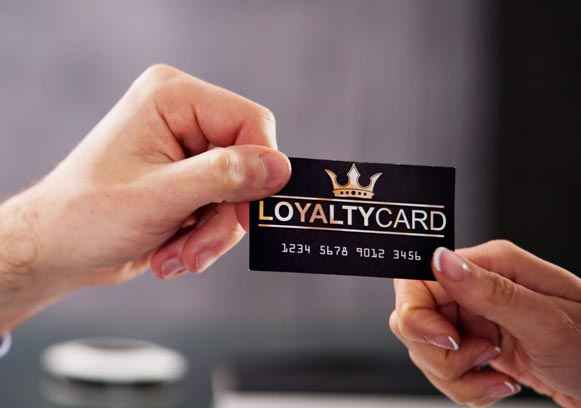
Understanding the Value of Customer Loyalty
Beyond financial metrics, loyal customers often become brand advocates. Their positive reviews, referrals, and social sharing efforts can dramatically enhance your reputation. This organic promotion can generate powerful word-of-mouth marketing and establish long-term trust.
Key Elements of a Successful Loyalty Program
A strong loyalty program starts with understanding your customers' needs and motivations. Not all customers are driven by discounts-some may prefer exclusive access, recognition, or experiences. Customizing your program to meet these preferences increases participation and satisfaction.
Simplicity is also crucial. If the program is difficult to join or confusing to navigate, customers are unlikely to stay engaged. Make the sign-up process seamless and clearly explain how rewards are earned and redeemed. Transparency builds confidence and encourages ongoing use.
Types of Loyalty Programs
Points-Based Programs: Customers earn points for every purchase and redeem them for discounts or products.Tiered Programs: Customers unlock better rewards as they reach spending milestones or frequency levels.Paid Memberships: Offer special perks for a recurring fee (e.g., free shipping, exclusive content).Punch Cards: Traditional method where purchases are tracked until a free product or service is earned.Referral Bonuses: Reward customers who bring new users into the program or business.
Incentivizing the Right Behaviors
To create a meaningful loyalty program, focus on encouraging the behaviors that matter most to your business. For example, if your goal is to increase frequency of visits, reward customers for each transaction they make. If your goal is upselling, incentivize larger purchases.
Loyalty programs can also be used to gather valuable data. Track customer preferences, peak purchasing times, and product popularity. These insights can help you refine future offers and improve your marketing strategies.
Using Technology to Enhance Your Program
Technology plays a pivotal role in the efficiency and appeal of loyalty programs. Mobile apps and web-based platforms allow customers to track their points, receive personalized offers, and get notified of promotions in real time. These tools make the program accessible and user-friendly.
Integrating your loyalty program with your POS (point-of-sale) system simplifies reward processing and ensures consistent tracking. You can also use CRM (customer relationship management) software to create segmented campaigns and tailor rewards based on customer history.
Marketing and Promoting Your Loyalty Program
Launching a loyalty program is only the first step-effective promotion is essential to drive participation. Start by advertising it through your existing marketing channels, including email newsletters, social media, website banners, and in-store signage. Make the benefits loud and clear.
Consider creating a launch campaign that includes limited-time bonuses for early sign-ups. This tactic can generate immediate interest and momentum. Leverage your most loyal customers by inviting them first, encouraging them to share their experience with others.
Don't forget to train your staff. Employees should be familiar with the program and know how to explain its benefits to customers. A confident, enthusiastic team can make a big difference in onboarding and engaging new members.
Common Mistakes to Avoid
Overcomplicated rules: Keep your program easy to understand to prevent customer confusion and dropouts.Neglecting personalization: Failing to tailor rewards or communication reduces the program's effectiveness.No tracking or evaluation: Always monitor program performance and adjust based on analytics and feedback.Weak rewards: Ensure the benefits are compelling enough to make the program worthwhile for customers.Infrequent updates: Stale rewards or promotions lead to disengagement. Refresh your offers regularly.
Measuring Success and Gathering Feedback
Gathering customer feedback is equally important. Conduct surveys, run A/B tests on different rewards, and ask for reviews about the loyalty experience. Feedback allows you to adapt the program to meet customer expectations more closely.
Successful loyalty programs are dynamic. Stay current with trends and adjust your offerings to keep customers excited and engaged. Regularly updating your rewards and benefits keeps your program fresh and avoids losing customer interest.
Conclusion: Turn Customers into Long-Term Advocates
Building a loyalty program is about more than offering points or perks-it's about creating lasting relationships. A well-designed program rewards your most valuable customers, incentivizes return visits, and cultivates a sense of belonging and appreciation.
By understanding customer preferences, using technology to streamline interactions, and providing meaningful incentives, you can transform casual buyers into passionate supporters. The long-term benefits in retention, revenue, and reputation make loyalty programs a powerful tool for any business.














