
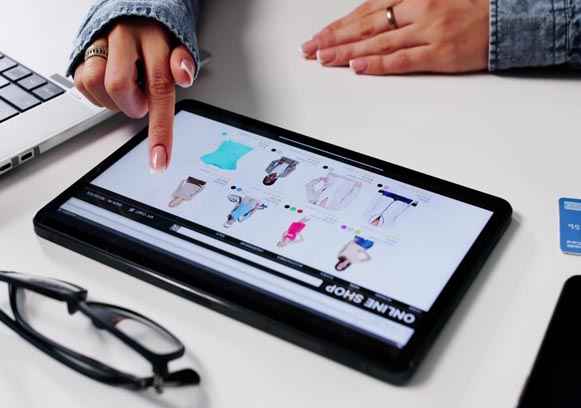
Understanding the Strengths of Online and Physical Channels
To balance online and physical sales, small business owners must first appreciate what each channel uniquely offers. Physical stores allow customers to see, touch, and try products before purchase, providing a sensory experience that is difficult to replicate online. The personal interactions with knowledgeable staff can also enhance the buying process and foster long-term relationships.
Recognizing these complementary strengths allows small businesses to tailor their strategies for each channel and ensure they meet different customer needs effectively.
Key Benefits of Physical Stores
Immediate product access: Customers can purchase and take home items instantly.Personalized customer service: Face-to-face interactions build trust and loyalty.Brand experience: Store design and atmosphere reinforce brand identity.Local community engagement: Physical presence strengthens neighborhood connections.
Key Benefits of Online Channels
24/7 availability: Shoppers can browse and buy at any time.Broader reach: Access to customers beyond geographical limits.Cost-effective marketing: Digital advertising and social media engagement.Data insights: Analytics drive better decision-making and personalization.
Integrating Online and Physical Channels for a Unified Experience
For example, options such as “buy online, pick up in store” (BOPIS) and “return in store” for online purchases can bridge the gap between channels. Offering consistent pricing, promotions, and branding across channels also helps maintain clarity and trust. Unified inventory management ensures that stock levels are accurate whether customers shop online or offline, avoiding disappointing out-of-stock situations.
Moreover, integrated customer service-where support teams handle inquiries regardless of the sales channel-ensures that customers receive consistent help and information.
Examples of Effective Integration Practices
Cross-channel promotions: Using online coupons redeemable in-store and vice versa.Consistent branding: Matching website design with store aesthetics for brand continuity.Shared loyalty programs: Rewards applicable in both channels encourage repeat purchases.Real-time inventory syncing: Avoiding overselling and enabling accurate order fulfillment.
Challenges in Balancing Sales Channels and How to Overcome Them
One common challenge is the logistical complexity of fulfilling orders from different locations. For instance, fulfilling an online order from the physical store inventory may cause stock discrepancies. Additionally, pricing and promotion conflicts between channels can confuse customers and damage trust.
To overcome these challenges, small businesses need to invest in technology solutions like integrated Point of Sale (POS) systems that unify online and offline transactions. Training employees to manage cross-channel customer service and maintaining clear communication about policies across channels are also vital.
Practical Steps to Address Channel Challenges
Adopt omnichannel retail software: To integrate sales, inventory, and customer data.Standardize pricing and promotions: Prevent conflicts and confusion.Train staff on multi-channel operations: Ensure smooth customer interactions.Communicate clearly with customers: Provide transparent policies about returns and shipping.Regularly review sales data: Adjust strategies to balance channel performance.
Optimizing Inventory for Both Channels
Small businesses should implement inventory systems that track sales from both physical and online stores, allowing them to forecast demand more accurately. They should also consider centralized warehouses or fulfillment centers to serve both channels efficiently. Alternatively, using physical stores as fulfillment hubs for online orders can improve delivery speed but requires robust stock management to avoid conflicts.
Balancing inventory involves striking the right balance between product variety and depth in each channel, informed by customer preferences and buying patterns. Businesses should regularly analyze sales data and adjust inventory levels to optimize cash flow and meet customer expectations.
Inventory Management Tips for Channel Balance
Implement real-time inventory tracking: Reduce errors and improve customer satisfaction.Analyze sales trends: Use historical data to forecast demand.Utilize safety stock: Maintain buffer stock for high-demand items.Coordinate replenishment: Align purchasing with multi-channel sales velocity.
Enhancing Customer Experience Across Channels
Small businesses should create user-friendly websites optimized for mobile devices, as many customers browse and shop on smartphones. Physical stores should be inviting, with helpful staff trained to provide personalized recommendations. Synchronizing promotions, loyalty programs, and return policies ensures customers feel valued and confident purchasing through any channel.
Listening to customer feedback across channels and responding promptly to concerns builds trust and loyalty. Businesses that prioritize an omnichannel customer experience often see higher retention rates and increased average order values.
Ways to Improve Customer Experience
Mobile-friendly websites: Ensure easy navigation and fast checkout.Staff training: Equip employees to assist both in-store and online customers.Loyalty programs: Reward purchases across channels seamlessly.Flexible returns and exchanges: Allow cross-channel returns to reduce friction.
Leveraging Marketing Strategies for Both Channels
Small businesses should develop integrated marketing calendars that align campaigns across channels, ensuring messaging consistency and maximizing impact. Retargeting online shoppers with personalized offers and reminding them of local store events can bridge the online-offline divide effectively.
Additionally, collecting and analyzing customer data from both channels helps refine marketing tactics and identify cross-selling and upselling opportunities.
Marketing Tactics to Support Channel Balance
Omnichannel advertising: Combine online ads with in-store promotions.Email newsletters: Share updates and exclusive offers for both channels.Social media engagement: Showcase products and events encouraging both online and offline visits.Customer segmentation: Target campaigns based on buying behavior across channels.
Conclusion
By understanding the strengths of both channels, integrating operations, addressing challenges proactively, and focusing on inventory management and customer experience, small businesses can create a unified retail ecosystem. Investing in the right technology and training, alongside thoughtful marketing strategies, will enable small business owners to thrive in the complex but rewarding landscape of omnichannel retail.
In the end, the businesses that successfully balance their online and physical presence will be those that deliver convenience, personalization, and consistency-earning customer loyalty in an increasingly dynamic marketplace.














